• Room 235

    What is special about this card key that occupies a prominent place in my museum of memories? The story may amuse you, but to me it is just one episode from a long list reinforcing my lifelong suspicion that I am the unsuspecting protagonist in a never-ending series of candid camera.

    I was in South Tyneside College to attend a course on high voltage electric propulsion, in connection with an investigation. I had rung ahead to a nice hotel located by the sea and asked for a room with a sea view, but when I checked in, was told that all the rooms with sea views were taken. Nothing new there; I rarely got a hotel room with a view.

    Bed by Condesign via Pixabay.

    Hurrying up to my room, I swiped the key against the door. It would not open. Frustrated, I looked around helplessly. I was already late for class. A young hotel maid saw me struggle and came over.

    ‘Let me help you, Sir’, she offered and I meekly handed her the key. It didn’t work for her either.

    ‘Hmmm. It may be damaged,’ she said, ‘so finicky, these plastic keys. I’ll get you a new one. Sorry about this, sir.’

    I did not tell her that it was the story of my life and gave her a doleful look instead. Within minutes, she returned with a new key, and voila, the door opened.

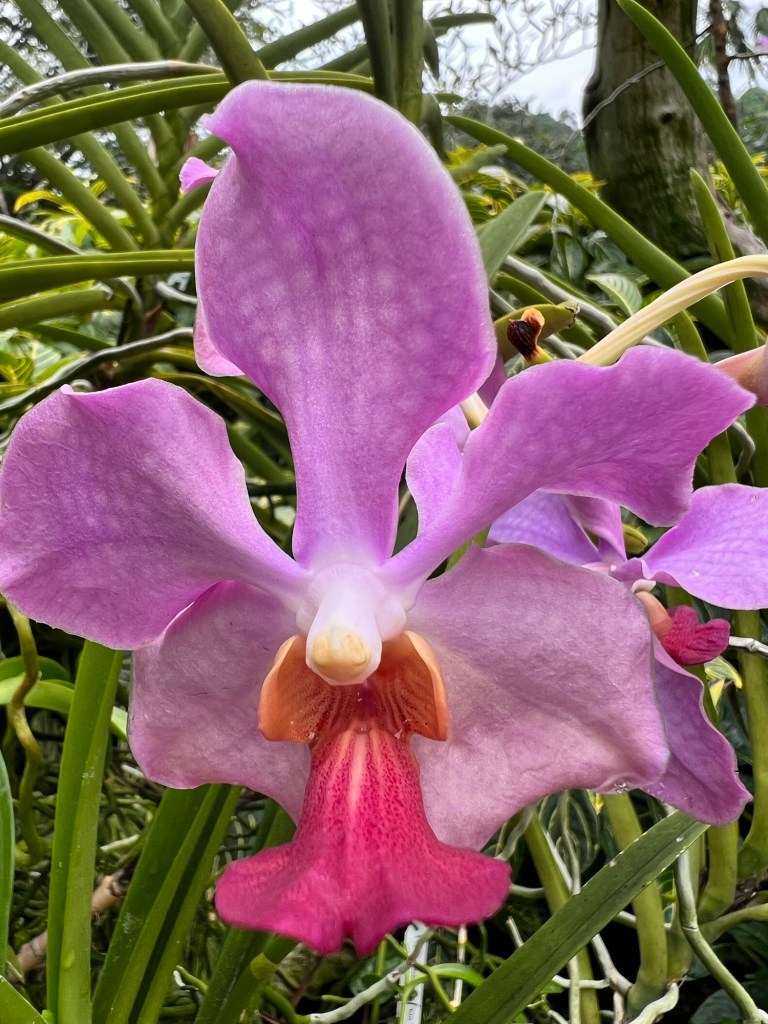
    It was a room with a sea view! Not only that, it was spacious with plush leather furniture and polished oak floor; a large bed with goose down pillows; and glorious cotton sheets. A sweet smelling orchid was laid across one of the pillows. Even the maid was surprised at the look of disbelief on my face.

    Sunset

    I had expected the usual: a dingy room overlooking a moss laden concrete terrace; polyester fibre pillows that guaranteed insomnia; and mangy, smelly carpets.

    ‘My fortunes have changed, I have escaped from the clutches of the candid camera man’, I thought as I thanked the maid, dumped my suitcase and ran to the class.

    It was a good day of learning and I thoroughly immersed myself in the class forgetting all about the lucky start to my day and the room with a view. After class, I decided to walk back to the hotel. The salty smell of the sea, the throaty lament of the seagulls, and the golden afterglow of twilight – all transported me back to my youth when I sailed the oceans as a marine engineer.

    Lost in reverie, I reached my hotel in a state of calm and well being. After a quick shower, a cold beer and dinner, I was ready for bed.

    I sank into the soft pillows and scented gossamer sheets. Gently, I transitioned to a make belief world between wakefulness and sleep where I always got the things I wanted, where rooms and restaurant tables with views were written into my life’s contract and where my journey on Earth was not signposted by one mishap after the other. I yielded to sleep as my rumination on this lucky day mingled with my dreams.

    Then I woke up. A big burly man was singing sea shanties in a booming voice as he staggered around the room switching on all the lights. He stood by my bed swinging a little suitcase and balancing himself as if he was on the deck of a ship at sea. He sang ‘Heyho the lazy sailor’. I saw that the giant was ready to collapse on top of me and screamed. The man froze, stopped singing and let out a deep growl like a tiger disturbed while mating. Then, realising his mistake, he turned and headed unsteadily back towards the door.

    ‘Sorry mate, wrong room, wrong room,’ he mumbled in confusion.

    ‘No worries, just switch off the lights’, I was magnanimous.

    I slipped back into my orchid scented dream and woke up in the morning feeling fresh and rested. I was positive the episode of the drunken sailor had taken place in an unreal world.

    The woman at the breakfast hall asked me for my room number.

    ‘235’ I spoke over her head eyeing several empty tables overlooking the sea. It was getting late for my class and I wanted her to get on with it.

    ‘Mr Warburton? Edward Warburton?’ she queried, with a slightly incredulous look.

    ‘No, Chandroth, Gopinath Chandroth’.

    ‘No problem Sir. I think they made a mistake on the list. It has Mr Warburton in 235 and yourself in 234. Not to worry love!’, she was apologetic.

    Mr Warbuton

    The penny dropped a little later. Edward Warburton, the inebriated singer of sea shanties, was not the intruder. I was. To this day, I wonder where Mr Warburton spent that night!

  • Monty G


    My dearest Monty G, 

    You left us today. If there is a dog heaven, you must be there already. If you did not get in, then I do not know who will. A sweeter dog than you there never was.     

    Will I walk you tomorrow? Who will notice a man walking an absent dog? I will have your brown lead dangling from my pocket. I will carry your favourite biscuits and I will whistle for you. I will do this every morning, rain or snow or Christmas. For you insist on your walks and now I cannot just stop. I will not remember you are no more. I will shout your name in the woods and other dog owners will roll their eyes and smile ‘Labradors’, they would say. “Yes Labradors!”, I would concur and roll my eyes in reply and ever so surreptitiously, wipe a tear. 


    I will not paint the wall or polish the floor at home to erase the dark patches where you snuggled. I will not throw away your bed or remove it from the landing – the bed that you chewed to make your own. I see you contorting your huge body into the little space under my desk, the space you claim as your own and insist on occupying. “Go write somewhere else”, you say.

    I will keep you alive. To me, Monty G, you are not dead. You have just gone missing and you will answer my whistling. It is time to pick up mum from the bus stop. Come on. Let’s go. You will raise your moist nose and wag your tail when you spot her at a distance. You will then ignore her when she is close. Such a wind-up artist you are! 

    Your brother is weeping, mum is weeping too, but I have no tears because to me you are only missing. Gone to find that tasty piece of sandwich someone has jettisoned in the bush. You know you have to return to me when you sense I am too far away for comfort, when your metric of separation is exceeded. You will abandon your tasty morsel and return reluctantly, casting wistful backward glances at what you had to forego.

     Your smell lingers at home. The water bowl is full. There is a full meal in your plate. All you need to do is turn up now. You may tap me with your paws and threaten to climb into bed if you don’t get your walk on time. Please, just once you need to bark in that complaining whining sort of fashion. Neither angry nor nasty, just impatient. 

     It is not even the weekend. You will not allow me a lie-in like you do on weed ends and bank holidays. You know a lot more than you let on. Your barks get increasingly more frequent, stubbornly insistent. You drool through the gaps in your teeth and eventually, I accept defeat and succumb to your bullying. 

     So, yes. Monty G, you are missing. That is all. We are walking in the woods. Just me and your brown lead, and a missing chocolate lab. You smile down at me from dog heaven as I whistle shoooeee phoooeeee shoooeee. The metric of separation has long been overshot. You need to return. You must. Please

  • Two-way ticket for goats

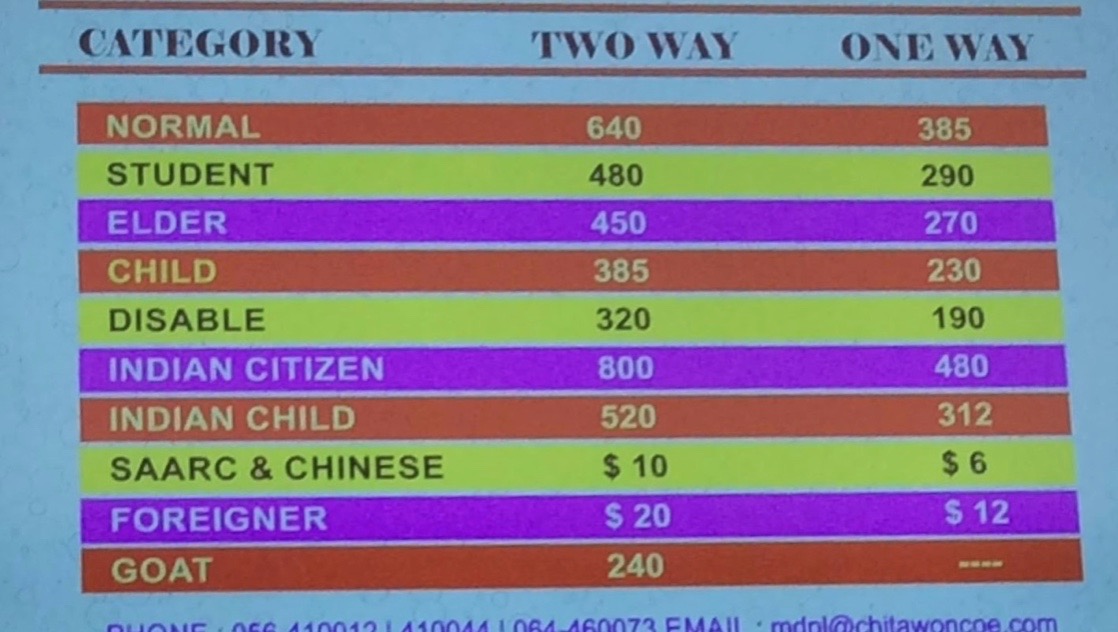
    In Gorkha district of Nepal, halfway between Kathmandu and Pokhara, is a 17th century temple called Manakamana, which literally translates to heart’s wish. It was one of the scheduled stops in my itinerary. The cable car ride up the Himalayan mountain was famous for the spectacular views and the deity at the temple was believed to grant the wishes of those who visited her. Good value for money, I thought as I queued up to pay for my ride. I was tickled by the fares table that announced a two-way ticket for goats at 240 Rupees. I assumed it was a joke.

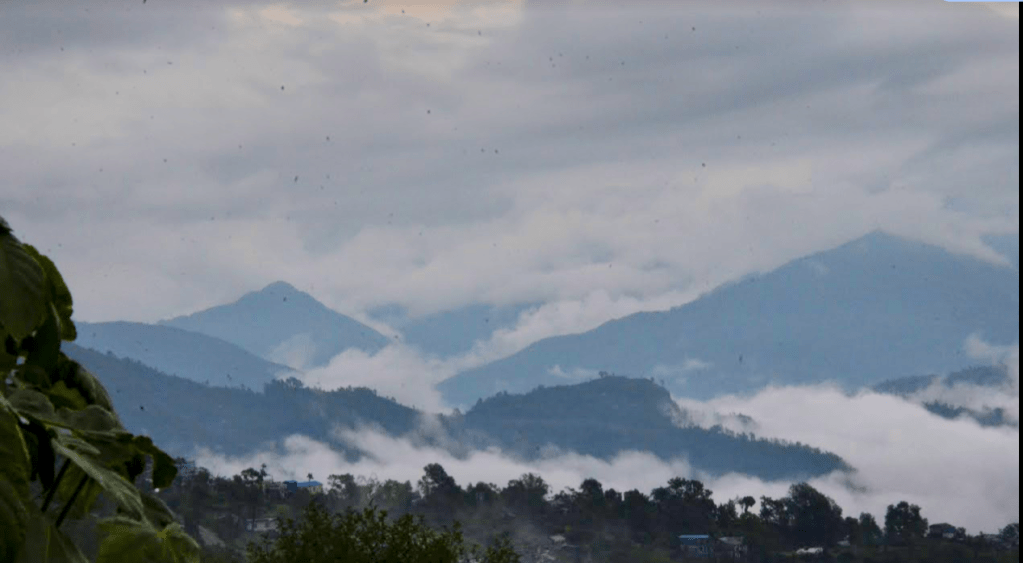
    After boarding, I noticed that the car in front of mine was carrying several goats. So, it was no joke. Anyway, the scenery, as promised, was heavenly. The mountain range in its pristine glory cradled the fast flowing Trisuli river shimmering in the sun. As the cars ascended, the verdant flora changed rapidly. The icy peaks of the Himalayas, like sculpted crystal, refracted the sunlight into the azure sky. Little hutments clung on impossibly to vertical slopes.

    As they stepped off the cable cars, people collected their goats and pulled them along with short lengths of ropes looped around their neck. The goats appeared reluctant. Some people carried large roosters in plastic bags. The birds poked their heads out and swivelled them left and right, observing the world with their unblinking eyes. The bright red cockscomb on their head, like antennae, perhaps received premonitions of imminent misfortune. The crowd trudged up the long flight of steps.

    A two-way ticket for goats is 240 Rupees
    A two-way ticket for goats at 240 Rupees

    I followed them and finally reached the temple. In the courtyard outside, shops sold flowers, incense, oil lamps and other accoutrement of worship. Strangely, one of the shops offered a barbecue service. A large banyan tree with benches around its base, offered some respite from the sun. Those who couldn’t find a place under the banyan, sat on the pavement outside little makeshift food stalls.

    Return fare for goats
    Goats, roosters, devotees walking to the temple

    Goats, big and small, their skins like patchwork quilts of black, brown and white, were tethered to lamp posts and the legs of plastic chairs. Children played on the cemented floor and the devotees wore a look of grim determination. I thought I saw on their face, fleeting shades of remorse. It was as if they wished the animals no harm but were about to harm them out of religious compulsions. A brown goat nestled its head in the crook of its owner’s arm.

    A brown goat nestled its head in the crook of its owner’s arm.
    A brown goat nestled its head in the crook of its owner’s arm.

    The line inched ahead to gain access to the temple. It was only then that I saw another line emerging from the opposite end. Foreheads plastered with vermilion and turmeric, the devout clutched carrier bags containing the butchered remains of their animals. Fresh blood dripped from the bags. Four black hooves and a severed head stuck out of one, like a post-modern painting. They left a trail of blood in their wake as they made their way to the barbecue shop. The pious were strangely quiet and subdued, perhaps also carrying a mild sense of guilt.

    The excited chatter of those waiting to go in competing with the noise of booming drums and wind instruments, desperate bleating of goats and the frantic cluck-cluck of roosters, together reached a crescendo. The smell of blood melded with that of incense, jasmine and marigold.

    People waited patiently for their turn, wanting to pray for their own desires to come true. New arrivals rushed to take their position in the long queue as it inched forward. The goats, never eager to keep up with their owners, slowed their progress. Feeling nauseous, I left my place in the queue. I knew that my heart’s wish, to protect all living things, would not be fulfilled at this temple.

    I went back down the hill to take the cable car down. A deep sadness clouded my view of the Himalayan scenery. I didn’t see the glorious ice peaks or the majestic picture postcard scenery. All I saw was a recalcitrant goat trying to brake with his hooves while the faithful dragged him to the sacrificial altar. Above the whirr of the cable car, I heard his trembling bleat. I hear it now.

    Dear goat, I seek your forgiveness for the wicked foolishness of my species. I bid you farewell and caress your gentle forehead while you wait for your end. Why they charge you a two-way fare, confounds me.

  • Stolen Murder

    “999 – what’s your emergency?”

    “I need an ambulance”, is what I planned to say, but didn’t. Sometimes, the best ideas in life come in a flash. In that brief interlude between hearing the operator’s voice and opening my mouth to speak, I was struck by a thought that changed my life forever, and threw me in prison.

    "I need an ambulance"
    “I need an ambulance”

    In 2008, I was charged with the first-degree murder of Charlene Smith, a street walker in her early twenties. The jury was unanimous in their ‘guilty’ verdict and I got a life sentence.

    Life before prison was filled with trivia. Facebook notifications, Tweets, WhatsApp forwards, emails, text messages, movies on demand, 24-hour news, serials I had to watch … intruders who came in to my life as polite guests but soon became masters. I was unable to concentrate on anything. My mind was a monkey jumping from tree to tree. I had the attention span of a moth.

    Social Media access

    I have spent the last ten years in prison, mostly in solitary confinement. I was not allowed to have a phone or connect my laptop to the internet. In these ten years, I have completed my life’s work. I have written the trilogy that I only dreamed of writing all my life. I have read all the books I wanted to read. I think I am now ready to demand a retrial and prove my innocence.

    Prisoners exercising by Gustav Dore/ Van Gogh. Photo taken by Gopi Chandroth.
    Prisoners exercising by Gustav Dore/ Van Gogh. Photo taken by Gopi Chandroth.

    So, what’s the story? I was walking home one evening after a particularly unproductive day at the office. It was late January, and as I negotiated the icy patches on the streets of Soho, I lamented the futility of my life and I knew that I had to change my life if I wished to continue living. I entered a quiet service lane without shops or cafes.

    architecture Pixabay image

    As I reached halfway down the street, I saw a young woman lying motionless on the street. Instinctively, I ran to help her and saw she had been stabbed. Her blood gushed out and formed little rivulets on the tarmac turning the ice on the street, crimson. The smell of cheap perfume melded with that of fresh blood.

    blood as ink pixabay image

    As I looked around in panic, I saw someone – a man – running away. I wanted to help her and the first thing I did was feel her pulse. She had none. Her eyes were wide open, the pupils dilated and fixed and she wasn’t breathing. I knew she was dead and I could see she had a kitchen knife buried deep in her chest. I reached for my phone and dialled 999.

    ‘999 – what’s your emergency?’

    ‘I have just killed someone.’

  • The Black and White Dog

    In case I had forgotten, I am reminded. I am back in Delhi, the city of my childhood. “Be careful”, cautions Maya, the caretaker who I had known as a young school girl and is now a mother of three daughters in their twenties. Two of Maya’s front teeth are missing, like absent milestones of time, marking the passage of some 40 years. “Be careful of the dogs, big brother”, she warns me.

    I go to the balcony and look outside. Hordes of stray mongrels roam the streets. Some have colourful winter coats on. Occasionally, they settle some canine scores with sporadic fights, but are peaceful on the whole.

    dogs image by Gopi

    I need to withdraw some money. As I open the gate and step outside the apartment building, the younger of the three chowkidars (security guards), asks me, “Where are you going, big brother?” A direct question, which anywhere else in the world would have been considered too direct. “To the cash machine”, I reply because I know his question is only a preamble to providing me with some unsolicited, but free advice. With a look I couldn’t quite place and a nod that said “Wait, don’t go away”, he disappears behind the building. He brings me a staff, roughly the size of a walking stick.

    “If you keep this with you, the dogs won’t bite”, he said handing me the staff. “Hide it when you see the black and white dog,” the second chowkidar cautions, “she attacks people with sticks”. Resembling a biblical shepherd, I venture out. I see some dogs sleeping on the roof of parked cars, and some under them. I walk tentatively, stick in hand to ward off dogs who are afraid of sticks while scanning the streets for the vicious black-and-white dog who would attack me, for carrying one. I return home without incident and sleep off my jet lag.

    black and white dog image by Gopi

    I wake up to a clamour outside. A good Samaritan has come to feed the stray dogs, but a local resident objects and they argue loudly. Several others join in and soon it is a full-blown shouting match between the pro-dog group (dog-walleh, as Maya calls them) and anti-dog group. The dogs gather around and watch curiously. They are silent as if not wanting to add to the racket. A man tilts his head sideways at a black-and-white dog, not daring to point at her directly. “She has bitten 24 people so far”. She wags her tail at those who dare glance in her direction. Who? Me? Bite? Never!

    I don’t find out who wins the argument. My friend arrives to take me for dinner. He explains the reason for the proliferation of dogs in Delhi. The government minister in charge of animal welfare has banned the killing of stray dogs. Her solution is to neuter them. My friend tells me how everyone drives, even two houses down the road, because of their fear of being bitten. That is, everyone who can afford a car, not the little people.

    The little people, he adds in parentheses, include maids, chowkidars, drivers, cooks, gophers, ironing people, vegetable sellers, gardeners, hangers on, and visiting relatives of the little people. I remind him I am no foreign tourist and have grown up in Delhi. I know who the little people are and why they remain little. I am incensed by the social disparities in my native land, I tell him. “Ok, ok! Let’s stick to dogs”, my friend stops me midstream.

    I conclude day one. Lots of running around, more wise counsel than I could shake a stick (staff) at, broken promises, circular arguments and dog fights. And, a fight about dogs too. Yes, I am home!

    black and white dog image by Gopi

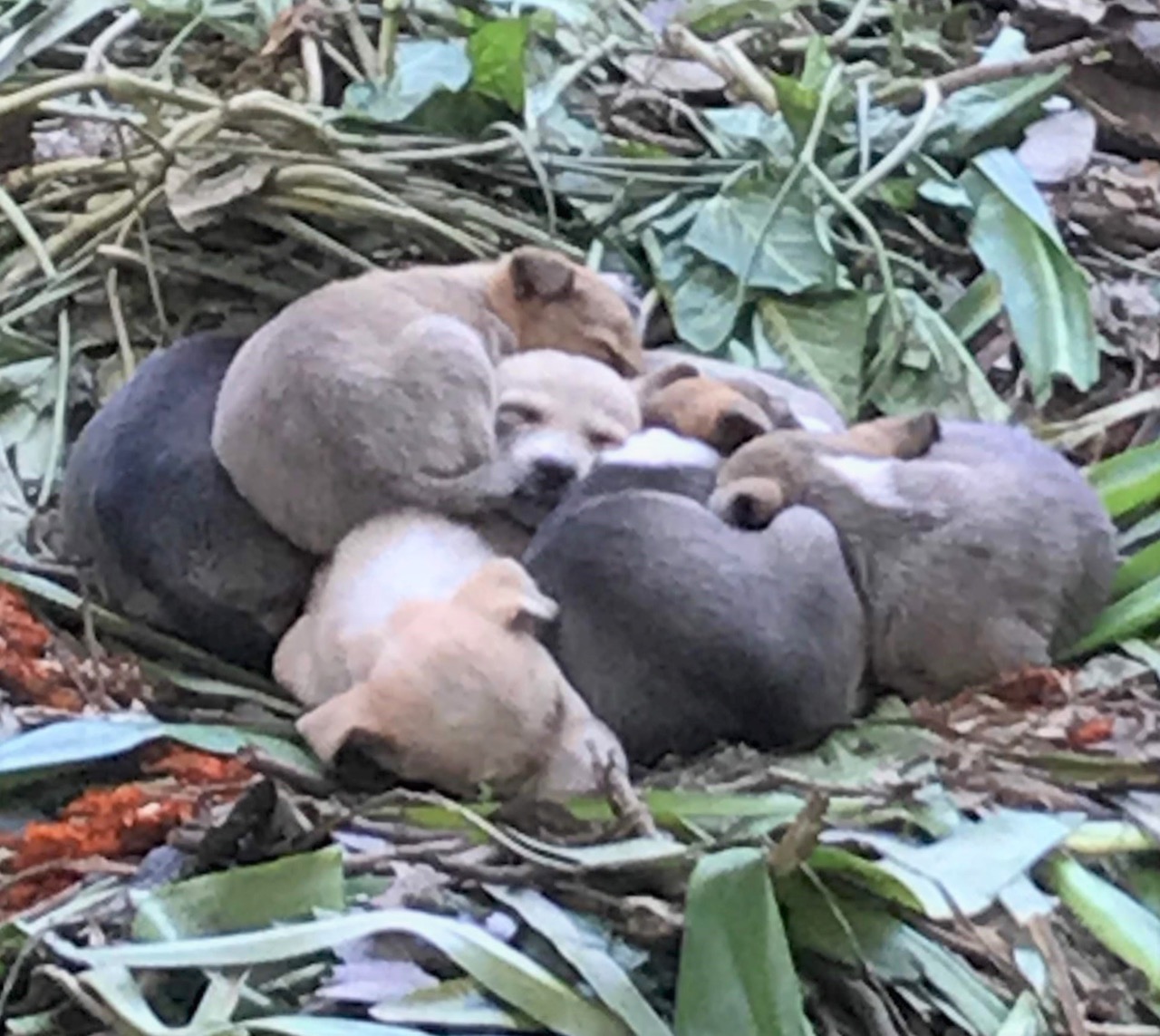
    My wife and I are back in Delhi some three months later. Nothing has changed. The sterilisation programme seems to be effective; well, almost. I see a litter of six pups in the community garden opposite our apartment. They appear hungry and cold, and sleep on top of each other for warmth. Tiny heads, paws and tails poke out from the ball of dogs inflating and deflating as they breathe. They could be an art installation at Tate Modern. I hear horror stories of an entire litter being run over by a car causing the heartbroken black-and-white mother to bite passers-by. It is too horrific to even imagine and I console myself it is a fabricated tale.

    My wife, devoid of any fear of dogs, strokes their forehead and talks to them. She refuses to carry a stick. The deadly black-and-white dog seems to have changed her character or is just overwhelmed by the kindness. Her brown eyes smile. She nuzzles up to my wife wagging her bushy tail in grateful appreciation.

    Some dogs are allowed into the dog-wallehs’ homes to spend the night but are ejected at daybreak so as not to upset the anti-dog- wallehs. A passer- by stops and talks to one of them. It sounds like he is cooing to a baby. The dogs continue to be fed, surreptitiously and in darkness.

    There is an NGO (non-governmental organisation) who takes care of their welfare. They are funded by a section of the community who believe that the first chapatti of the day should go to the cow and the last to the dog. At every nightfall, a young employee of the NGO arrives on a bicycle laden with tiffin carriers. He lays down newspapers at the side of the road to feed them rice and chicken. They are happy and come alive, energised by the meal. My sleep is punctuated by their collective barking. Their synchronised moan makes me uncomfortable and I pull my blanket over my head.

    The sound of the chowkidar’s bamboo staff crashing on the tarmac every few minutes, and the piercing screech of his whistle transport me to my school days. ‘I am awake. I am alert’, is his message to thieves and other undesirable elements of the night. The dogs sleep, probably dreaming of warmth and food. They don’t do him the courtesy of opening their eyes. It is the Delhi I know. Nothing has changed, yet nothing feels the same.

    Day breaks. A chauffeur, bored of waiting for his employer to emerge from his mansion, goes around beating random dogs with a stick. He has a sinister smile on his face and the dogs yelp in surprised pain. I scream at him from my balcony and ask him how he would feel if I were to go down and beat him with a stick. His wanton cruelty is exposed and he is embarrassed. His brief illusory world of a tiger-hunting Maharaja is shattered. He drops his stick. I go and cry in the bathroom.

    Like everything in the country of my birth, things are not as they appear to be. There are layers of meanings to everything. Every story recounted has a moral, but their complexities confound linear analysis. Before long someone will build a shrine, on our street in Delhi, dedicated to a black-and-white dog. Truth and myth will merge and dog-wallehs and anti-dog-wallehs will pay obeisance to her, ring a bell and say a prayer. Of this, I am certain.

  • Cat in the bag

    Paul,

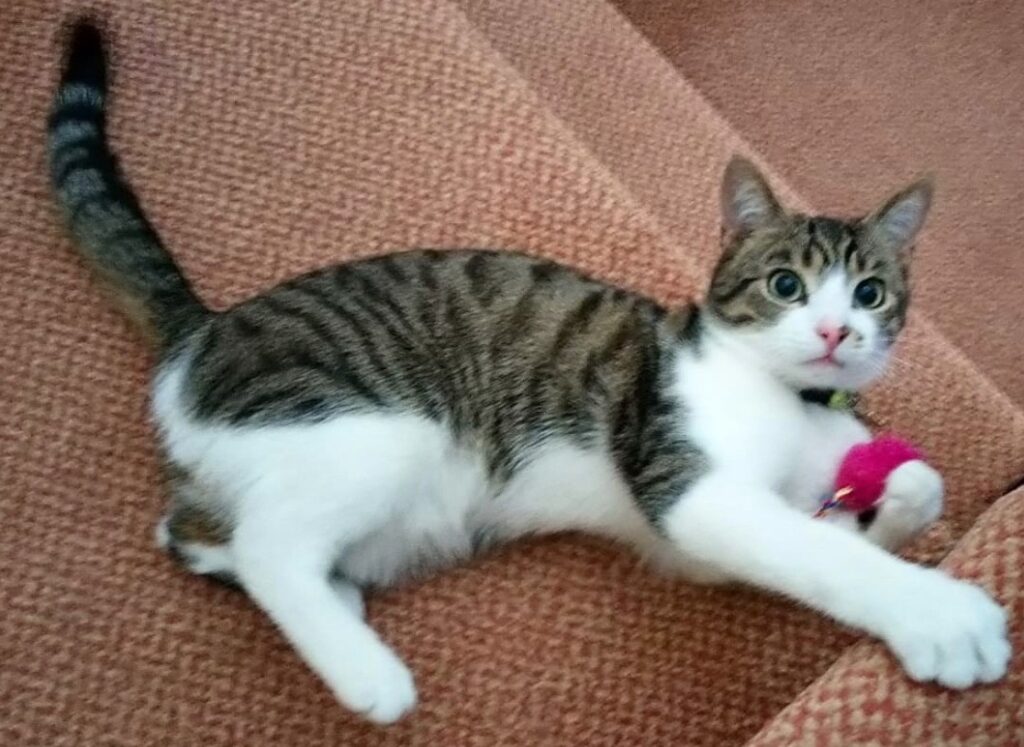
    I owe an apology to Sonny. On my evening walk yesterday, I saw him halfway to Tesco, looking lost and forlorn. An elderly couple was engaged in conversation with him. He was instantly recognisable: a mix of tabby and white with tortoise shell grey, playful kitten approaching full cathood, no collar, and slight to moderate belly. It was your cat and he was lost.

    Sonny
    Sonny

    Sliding my headphones off, I said to the couple,

    “It’s my neighbour’s cat”.The assertion must have come across mildly belligerent, for the couple quickly moved away.

    “Sonny, what you doing here? Go home”, I chided him.

    He responded by rubbing his head against my trousers. This was typical Sonny behaviour. The cat’s identity was confirmed without doubt.

    I then uttered the magic words you had told me about when we last discussed Sonny: “Food, Food”. The hope was he would then follow me home. But he didn’t respond and, in fact, looked rather cross. He probably resented anyone other than his owners speaking the magic words. This was turning out more difficult than necessary. I made a couple of quick calls to both you and Doreen but they went straight to your voice mails.

    The next step was brave and, in hindsight, foolishly Quixotic. Laying down an empty shopping bag on its side and holding it open like a cat flap, I pleaded with Sonny to get in. Passers-by looked on with amusement. Some even rolled their eyes but didn’t interfere. They probably thought it was a matter best left between a man and his cat. Sonny gave me a look like I have never had from anyone, let alone a cat. It was one of undisguised contempt and disdain, roughly translating to,

    “Are you real?”

    Are you real?
    Are you real? (Illustration Hari Gopinathan)

    Thinking about it now, there was no way any cat would have willingly walked into a bag. But at the time it seemed a good idea. I inched the bag closer, mentally assessing the risk of my intended actions. Having been immunised against rabies after a dog bite last year, I was quite sanguine about a potential animal attack. Just then an approaching dog barked and Sonny, who (I thought) was nearly in the bag, bolted. I ran after him, bag in hand.

    “Sonny, Sonny, stop. Please.”

    Finding him behind a bush in Monk’s Brook, I walked on to the precarious looking bridge. Whipping out the phone, I called our mutual neighbour Angela and switched to video mode. She confirmed it was indeed Sonny. She agreed to knock on your door and alert you that your dear pet was hiding in the brook, half a mile away.

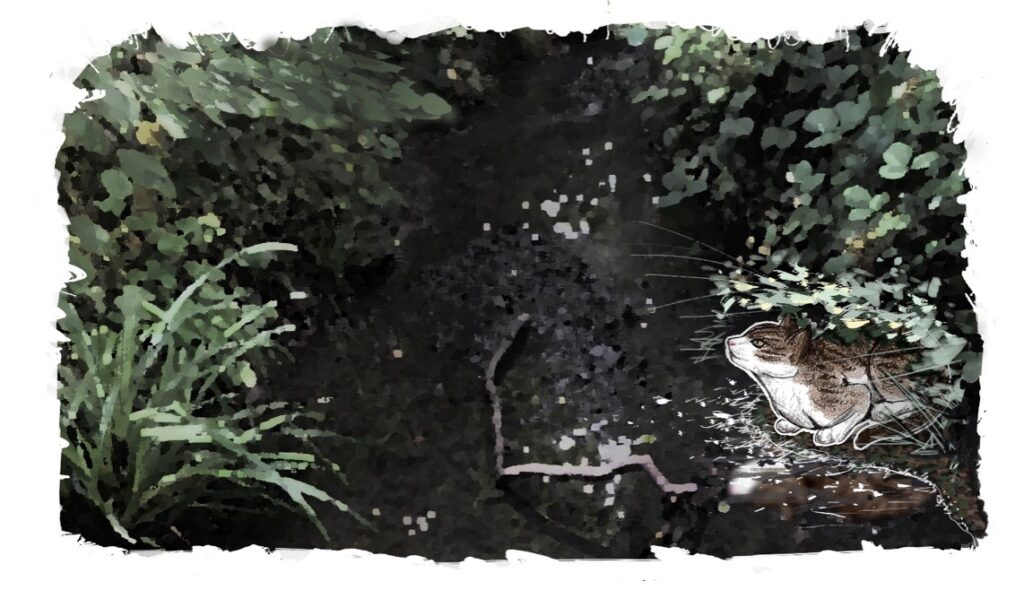
    Sonny hiding behind a bush
    Sonny hiding behind a bush (Illustration Hari Gopinathan)

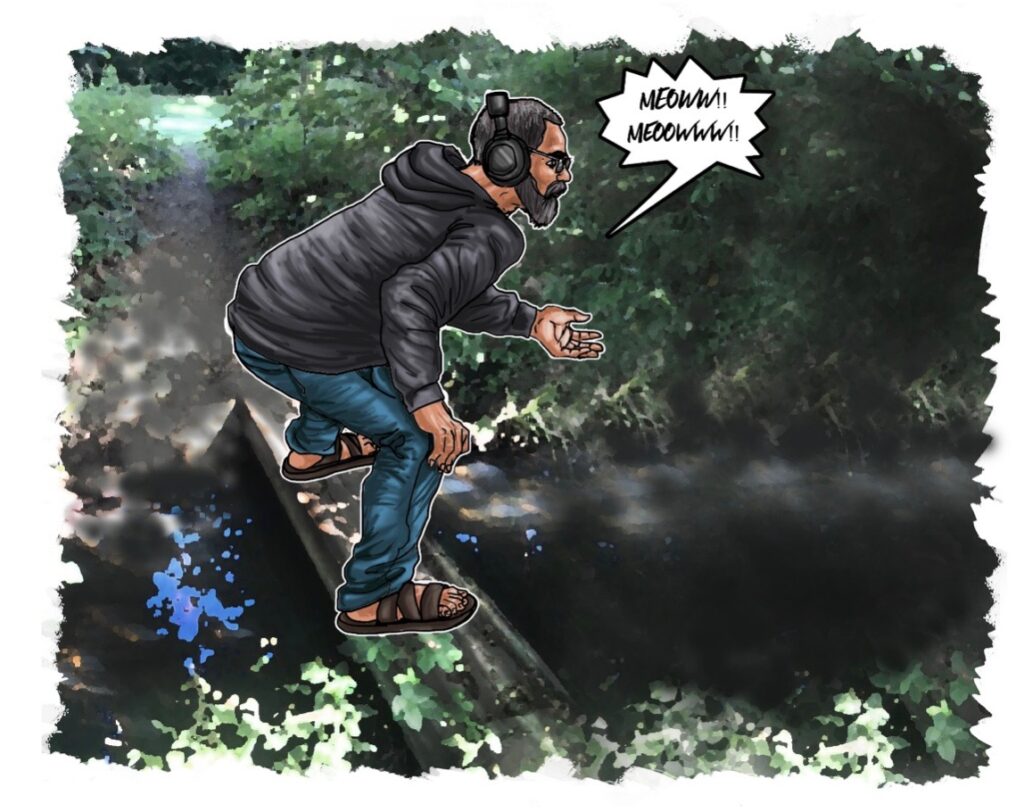
    Meanwhile, I decided to hold Sonny’s attention and not let him out of sight. Whistling, meowing in several different tones ‘Meeeow’, ‘Meooow’, ‘Meowww’, and chanting the magic words ‘Food Food’ in the exact intonation you had demonstrated. I balanced dangerously on the bridge. Sonny wasn’t having any of it and stayed well away. This continued for a few minutes as I stood there waiting for someone to call me and resolve the situation. There we were, man and animal, locked in an endless stare-down. The benevolent rescuer of a lost pet and a cat minding his own business until I came along.

    The playlist on the phone started playing Jimi Hendrix and almost instinctively I repositioned my headphones over my ears without losing eye contact with Sonny. I continued my meowing and cajoling not realising that I was compensating for the volume of Jimi’s guitar. I was shouting. A small crowd began to gather, seeing this man with a black hoodie and an unruly beard imitating a cat at full throttle while balanced on a dodgy bridge. It didn’t help they couldn’t see the cat.

    Imitating a cat at full throttle
    Imitating a cat at full throttle (Illustration Hari Gopinathan)

    The expected phone call never came. Sonny, bored with the staring game, leapt across and disappeared into the industrial estate on the other side of the brook. After some feeble attempts to follow him, I gave up on the rescue mission. I felt for you and Doreen while continuing the evening walk, burdened with guilt and disappointment. In my mind, I was already helping you post notices about your missing cat.

    Looking at the phone on reaching home, I saw two missed calls and a message from Angela, “Paul’s cat’s at home. Enjoy your walk!”

    Please warn Sonny – there is an imposter about.

    All the while, Sonny was relaxing at home.
    All the while, Sonny was relaxing at home.

  • An open letter to my cycle thief

    Dear cycle thief,

    Hope you are enjoying my bike or parts of it that you couldn’t sell. If you’ve sold it in the nether market, the money must have bought you a few pleasures. But, I am straying from the point now, digressing, if you understand the word. That was no aspersion on your education, but just a thought that occurred to me. In your profession, you cannot afford to digress. You cannot head for the bike shed with your chain cutters and suddenly entertain an alternative thought, like “Let me check out the Magnolia tree. Its blossoms are so overwhelmingly beautiful this time of the year”. No. You will be the master of concentration, one-track minded, a Zen of bicycle thievery.

    Gopi: An open letter to my cycle thief

    I am being given a replacement bike, having won long and tedious arguments with the insurance company. I really wished I had your phone number because the insurance wanted a photograph of the stolen bicycle and I could have asked you to text me one. You could have been part of the photograph, complete with your hoodie masking your ugly face. I am assuming you have an ugly face because your hoodie would be doing you a double favour then, wouldn’t it? Granted, some thieves are good looking. But they are way above your league. They wear ill-fitting Saville Row suits, crocodile skin shoes and millstone necklaces. They don’t steal small things like bicycles, they steal an entire nation.

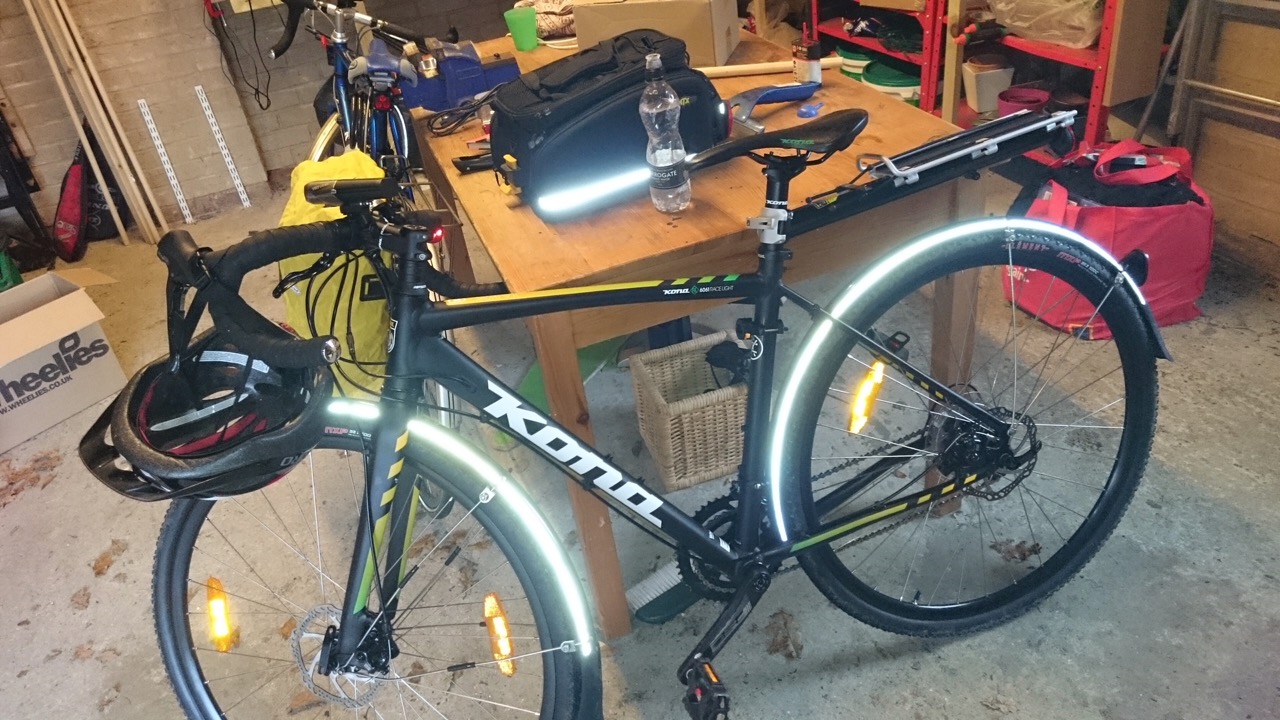
    I meant to ask before I placed my order for the replacement bike: would you like a mountain bike or a cyclo-cross or a road bike? I mean, it is better you state your preference now because the last two bikes I provided you were obviously not good enough. Would you prefer one of those folding bikes? Much easier to steal, but sadly, like guide dogs, they are allowed inside office buildings. So, you are screwed there. Anyway, let me know. Would you like lights as well and some mud guards? I hate spinning muck off the road onto my clothes and going around as if I had been lashed for some heinous crime I hadn’t committed.

    Oh, by the way – the police are not interested. Looks like they have struck bicycle theft off their list of crimes. So, continue to steal without fear, with impunity. In fact, I am seriously considering your profession. It is nearly risk free. Very little effort required. As long as I put my black hoodie on and don’t smile for the CCTV cameras, I am sorted.

    "The last two bikes I provided you were obviously not good enough"
    “The last two bikes I provided you were obviously not good enough”

    ‘See, it could be anyone’, the police said. ‘We don’t have a camera pointing directly at the bike shed’, our building security said. ‘My neighbour’s £3,000 bike was stolen just the other day,’ my boss said. It was supposed to make me feel better. After all, my bike was only worth a third of that. Never mind. Like they (I) say, look beyond words, look at intention. Please don’t think I am number dropping to wind you up or to make you feel you have wasted your efforts on a cheap bicycle when there was a much better one for the picking or, dare I say, unpicking? I am telling you all this with an ulterior motive. Read on, I have a plan.

    ‘You have an excess of £250’, the insurance company said. ‘Collect it from my thief’, I responded. I couldn’t quite figure out why the line went dead after that.

    You won’t believe this. The insurance company was offering me a bike which was 30% cheaper than ours. I hope you don’t mind my using the possessive plural here. The least you can do is share the ownership with me, at least on paper. Granted, you own it now. But we didn’t exactly sign an ownership transfer form like the DVLA’s V5C. In fact, this could be a good business model, come to think of it. Knowing that the police, the building security, and everyone else that matters don’t really care, it’s something worth thinking about. Yes, this idea is developing legs (I wanted to say wheels, but then you stole my wheels, didn’t you?)

    I have a plan for you - to my bike thief.
    I have a plan for you – to my bike thief.

    Do you offer any training? Have you got a website on the dark web or a YouTube channel? If you don’t, start one now or publish an instruction manual. ‘How to steal a bike from idiots for idiots”. See, I even got you a good catchy title. Seriously, shall we start a partnership? I could be your frontman. Your agent, so to speak. You give me a percentage for every bike you steal, and I give some of that to the insurance company to pay for the excess. Now that would really work.

    Anyway, enjoy my bike if you still have it. Do not worry if you’re getting tired of it and are ready for a change. A brand spanking new one is on its way. Yes, the locks will be stronger this time. But hey, like they say, locks are for gentlemen.

    Sincerely,

    Gopi

  • Ambushed by a book

    Boris visits india. He flies straight to Gujarat, the state where Gandhi was born. He wishes to strike lucrative deals, now that he is not shackled by the European Union. He visits Gandhi’s Ashram on the bank of Sabarmati. (He has not moved with the times. He doesn’t know Gandhi is not in fashion anymore.) They present him Gandhi’s autobiography, ‘My experiments with Truth.’
    “Jolly good,” he says. Then adds,
    “Cor blimey! I too must write such a book.”

  • A tribute to my father

    My dear father,

    You died 30 years ago. Who knows where death takes us? Suspending disbelief on matters of the afterlife, let me say thanks to you on Father’s Day on the off-chance that somewhere lurks the spirit of our loved ones.

    You taught me how to see the funny side of life, how to remain honest despite temptations to be otherwise. By your decent living you showed me how easy it is to be decent. But above all, you taught me the art of story telling: how to narrate a tale with a terrific punchline, how to keep the audience guessing and curious about the potential outcome.

    Although you lacked the thrift that you tried to inculcate in me, you did warn me about the potential consequences of the profligacy of my youth. You told me that if I didn’t think of my financial future, I would end up with nothing but a load of empty boxes in my old age.

    For years you made me write a one third précis of the daily newspaper editorial and corrected my language despite your busy schedule. You inculcated in me the pleasure of reading, the passion for literature. You bribed me 100 rupees to read Mahatma Gandhi’s autobiography when I was just fourteen!

    So thanks for everything. I couldn’t have asked for more.

  • Where has that India gone?

    Gopinath Chandroth looks back at the India of his childhood and youth – and sees communal harmony.

    India of my youth

    Kerala, my native state

    the azan from the local mosque wakes me up.

    It starts our day.

    We don’t think Muslim or mosque.

    It is an alarm clock.

    Time to get up and do our homework before school.

    Women troop to the local temple clutching bunches of wild flowers,

    their hair still wet from the morning dip in the river.

    The deities at the local temple receive their floral offering.

    We don’t think Hindu, but wait for them to return home

    carrying the fragrance of sandalwood and basil.

    And prepare breakfast – inshallah, steaming idlis and coconut chutney.

    Sunday morning, people in their finery throng the church.

    The women fold their mundu in the shape of a Japanese fan.

    Their gold ornaments glitter in the tropical sun.

    We don’t think Christian, but recognise Sundays from their attire.

    No school, no homework, just playing cricket and climbing trees.

    We are in Delhi.

    It is mid winter.

    At 4 am, a procession of men and women singing hymns march through the streets.

    We don’t think Sikhs, but know it is the birthday of one of the Gurus.

    We smile and return to the comfort of our blanket.

    We read about people marching, without clothes, to a temple in Karnataka.

    There is a move to ban the practice, the papers tell us,

    due to the outraged morals of those who do not understand

    the Digambara (wearing the sky) concept.

    We did not think Jains, but our adolescent minds were titillated nevertheless

    by the thought of naked bodies.

    And we were intrigued by the rationale behind not wearing clothes

    to prevent the death of insects who could be trapped in them.

    Perhaps, a seed that germinated eventually to turn me vegetarian.

    India of my youth

    I have been away for over three decades.

    Things are different now.

    Religion has somehow become very important, especially other people’s.

    Our identities are now defined by our gods.

    It seems nothing else matters.

    Not the neighbourhood, not the profession, not the linguistic commonality.

    Just gods who we can’t even see.

    What has happened to the India of my youth?

    Published by India Link, Australia, 11 August, 2023