• Warning Bells

    A man died and went up to meet his maker. He challenged God.

    “You could’ve given me some warning. Why did you call me so suddenly?”

    “You were given many warnings. In 1984, you fractured your arm; in 1995, you had a minor heart attack; in 2005 …” and so on. God listed, in chronological order, all the major traumas in the man’s life.

    “If these were not warnings, what were they?” God asked.

    I too am receiving some warnings these days. More than I am comfortable with. I was told today I have a mild case of glaucoma. The question I would ask God when it’s my turn is,

    “If you’re so knowledgeable, omniscient and everything else, why in God’s name can’t you stamp an expiry date on babies as they emerge?”

    Well, maybe I wouldn’t say ‘God’s name’.

    But really, it would be so convenient, so orderly. The world would be a kinder place. Franco of Spain may not have indulged in all the maniacal murders had he known that Parkinson’s disease was waiting for him. Would Pinochet have terrorised Chile if he had known that vascular dementia would prove to be his undoing?

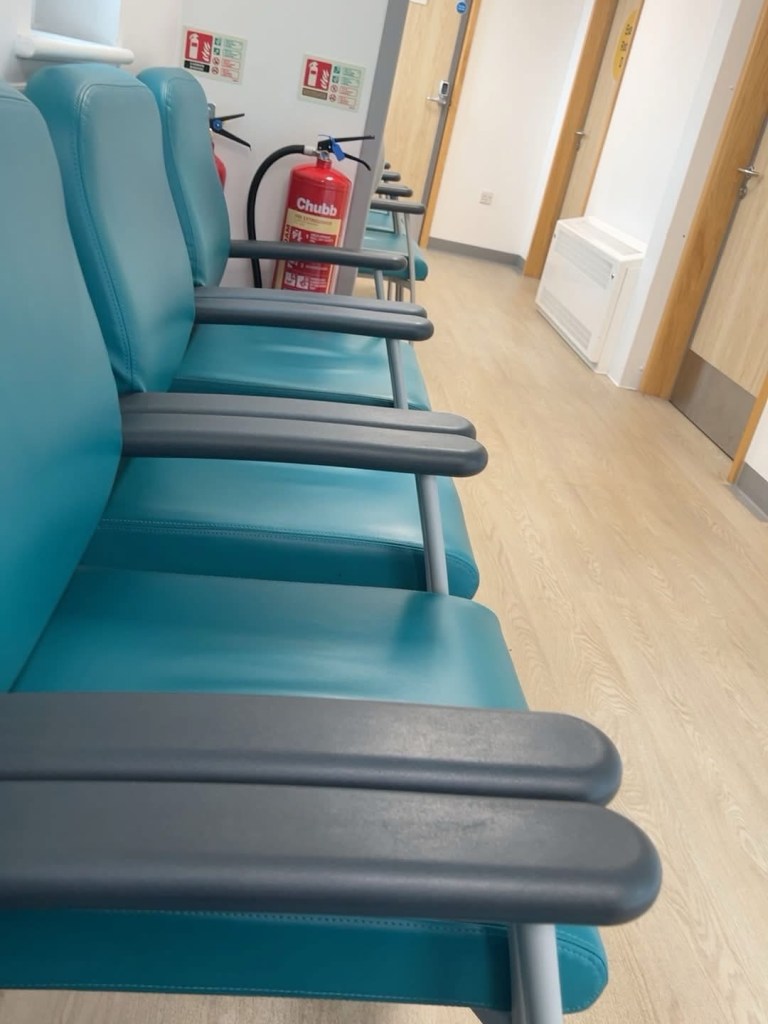
    In Southampton General Hospital’s eye unit, patients are told to sit on different coloured chairs. You go into one room, for example, for a retinal scan, and they tell you:

    “Please sit on a green chair. You will be called by the doctor.”

    To make matters worse, the chairs are blue, green and teal. Has someone missed the irony here? This is an eye unit, for goodness’ sake. People come with eye problems, including different degrees of colour blindness.

    A minor point, even a facile one, I agree. But when I raised this with the nurse, she started giggling. So I thought I might as well ask the question that was really nagging me that morning.

    Why do all the chairs in the waiting room have two wheels on their hind legs raised an inch above the ground?

    “Ah! That just makes it easy for us to move the chairs around,” she told me with a smile. “We are nurses, not weight lifters.”

    It was my turn to giggle. In all this I briefly forgot the trauma of being diagnosed with glaucoma. Maybe this is one of God’s small mercies: giving us the capacity to laugh while also firmly planting those little flags of warning along the way.

  • Second Chance

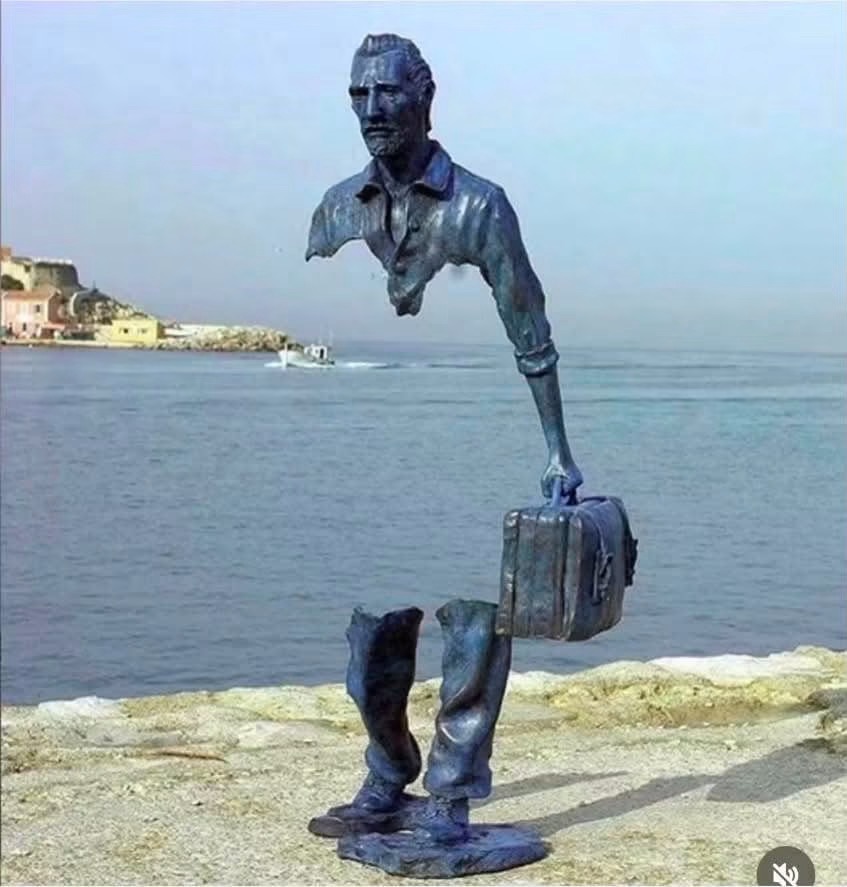
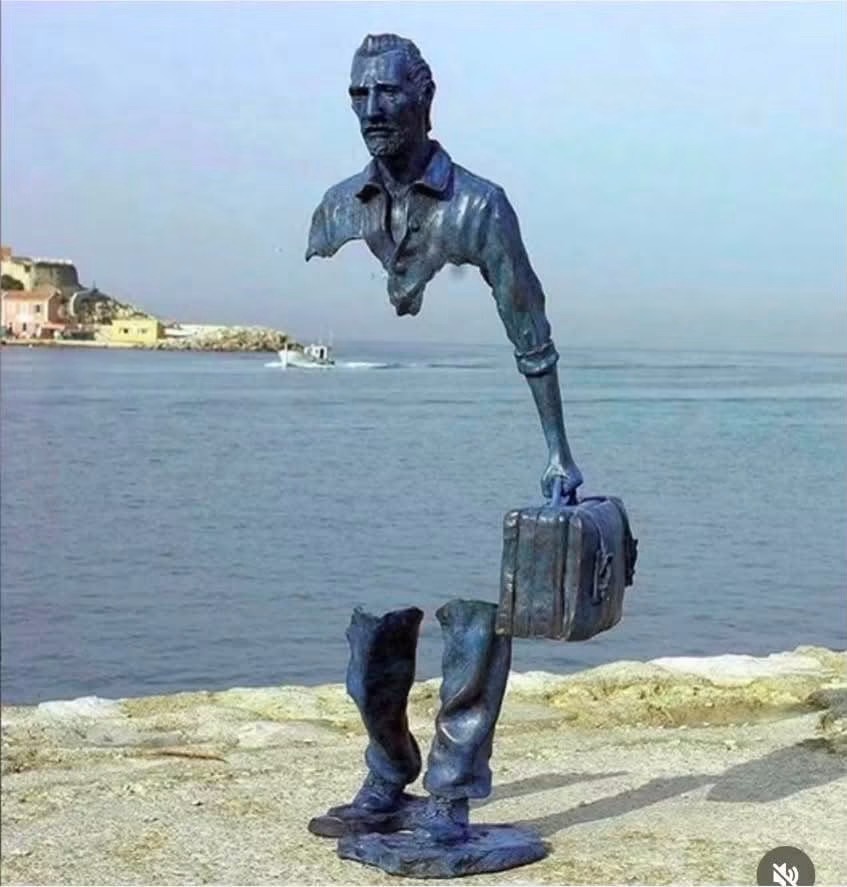
    Les Voyageurs, Sculpture by Bruno Catalano

    An image of a sculpture that I saw recently unsettled me. I felt as if someone had punched me in the gut. Part of the sculpture’s body was missing, and one could see the sea in the background. This piece, and several others like it by French-Sicilian artist Bruno Catalano, are installed on beaches in France (Marseille) and other cities around the world.

    I couldn’t understand why I felt that way. To be moved by a sculpture is a curious feeling. The piece is intended to represent the sense of loss felt by those who leave their country of birth and move to a new environment.

    I feel no such sense of loss. Yes, I miss the sweet song of the koel and the bubbling warble of bulbuls, the mesmerising torrent of monsoon rains watched from the comfort of an easy chair, a steaming cup of tea and sweet neyyappams at hand. Most of all, I pine for the friends and family I left behind.

    But then I have discovered the uplifting chirp of the blackbird of England coming into its own in the spring and summer. I enjoy the long summer evenings when the day is full of potential. The magnificently fecund magnolias of spring overwhelm me, making me want to stand and stare endlessly. I have, over the years, developed a lot of good friendships with bonds nearly as strong. Half the ashes of my first-born are mixed with the waters of the Thames. My younger son has found his partner in a wonderful local family.

    That missing part of the man with the suitcase still bothered me until a little disaster resolved the issue. It was my second chance.

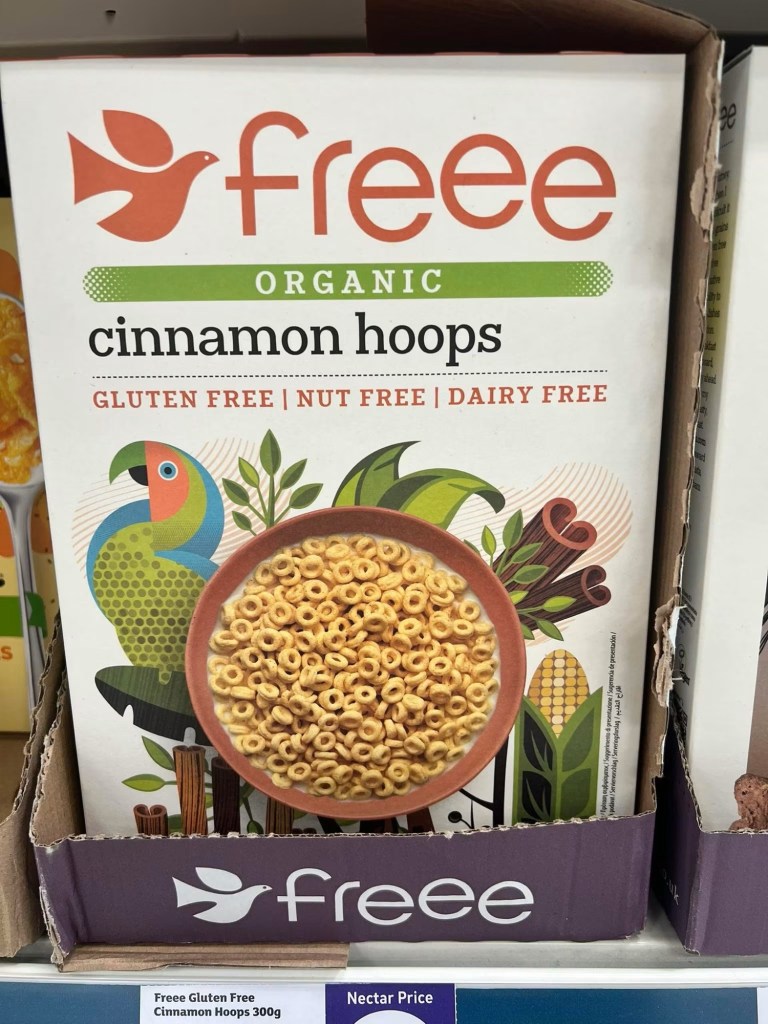
    While returning from our recent trip to Belgium, I bought a lot of wine from the duty-free shop at the Le Shuttle terminal in Calais. The trouble with duty free is the word ‘free’. It’s got a delusional quality about it. One forgets the difference between duty-free and free. It’s like the lactose-free, gluten-free, nut-free and sugar-free products on the supermarket shelves. If it’s free of everything, why is it so bloody expensive, is the thought that goes through my head whenever I pass that shelf. I still end up buying such things. Such is the allure of ‘free’. I have lost count of the number of times I have withdrawn unneeded cash from ATMs displaying the words ‘Free Cash Withdrawal’.

    They say just because elephants are cheap, you don’t have to buy them. But I had forgotten this wise adage. I purchased 14 bottles of wine. It was nearly half the price there when compared to the supermarkets of England. The irony is that I consume less than half a bottle a week. Anyway, I secured the cases in my boot, travelled all the way across the Channel and to Southampton with everything intact. No breakage.

    And then the devil asked me to empty the car upon arrival. No, don’t take a break, it whispered in my ear. And why make an extra trip from the car to the kitchen? The suitcase with four wheels is a doddle to push with one hand, and you can carry a case of wine in the other, it instructed me. So I didn’t demur. The devil has terrific power of persuasion.

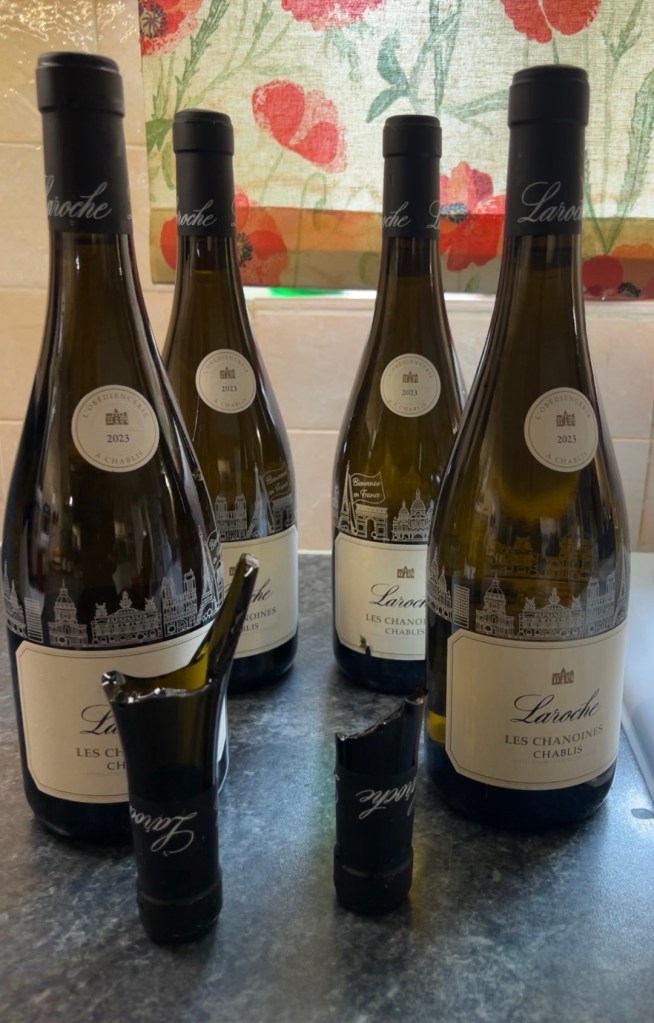
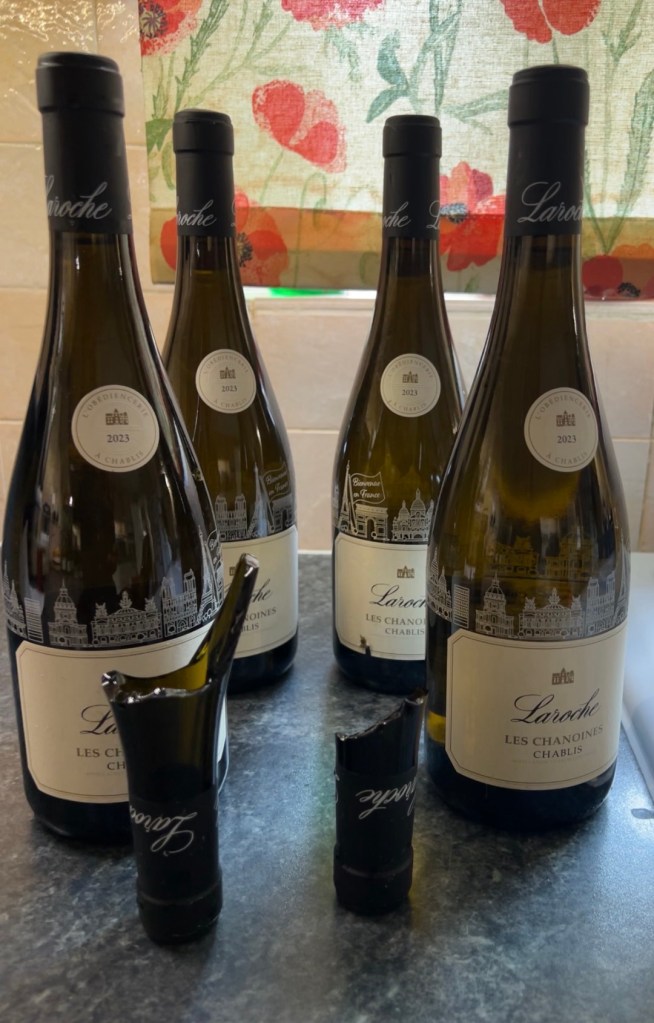
    I could hear the bastard laughing when he suddenly locked the suitcase’s wheels, and the case—carried forward by its own momentum—flew out of my hand, sending six expensive bottles of Chablis crashing to the floor and shattering two of them. All savings wiped out. I might as well have bought them in Sainsbury’s.

    The feeling, as I watched weeks of future pleasure puddle like rainwater on the kitchen floor, was like being punched in the gut, like being winded. This time around, I could put my finger on it, exactly. So, I finally understood Bruno Catalano’s sculpture. More importantly, I realised that every loss is replaced by something. A second chance always comes around. Nothing is permanent. Not loss. Not grief.

  • Crying Over Spilt Wine

    An image of a sculpture came through WhatsApp a few weeks ago. It was unsettling. Part of the sculpture’s body was missing, and one could see the sea in the background. It felt like someone had punched me in the gut. This piece, and several others like it by French-Sicilian artist Bruno Catalano, are installed on beaches in France (Marseille) and other cities around the world.

    Les Voyageurs, Sculpture by Bruno Catalano

    Thinking about it, I couldn’t understand why I felt that way. To be moved by a sculpture is a curious feeling. The piece is supposed to represent the sense of loss felt by those who leave their country of birth and move to a new environment.

    Speaking for myself, I feel no sense of loss as such. Yes, I miss the sweet song of the koel, the torrential rains of the monsoon watched from the comfort of an easy chair on a verandah, and the friends and family I grew up with.

    But then I have discovered the uplifting chirp of the blackbird of England coming into its own in the spring and summer. I enjoy the long summer evenings when the day is full of potential. I have, over the years, developed a lot of good friendships with bonds nearly as strong. Half the ashes of my first-born are mixed with the waters of the Thames. My younger son has found his partner in a wonderful local family.

    That missing part of the man with the suitcase still bothered me until a little disaster resolved the issue.

    While returning from our recent trip to Belgium, I bought a lot of wine from the duty-free shop at the Le Shuttle terminal in Calais. The trouble with duty free is the word ‘free’. It’s got a delusional quality about it. One forgets the difference between duty-free and plain-free. It’s like the lactose-free, gluten-free, nut-free and sugar-free products on the supermarket shelves. If it’s free of everything, why is it so bloody expensive, is the thought that goes through my head whenever I pass that shelf. I still end up buying such things. Such is the allure of ‘free’. I forget the number of times I have withdrawn unneeded cash from ATMs displaying the words ‘Free Cash Withdrawal’.

    They say just because elephants are cheap, you don’t have to buy them. But I had forgotten this wise adage. I purchased 14 bottles of wine. It was nearly half the price there when compared to the supermarkets of England. The irony is that I consume less than half a bottle a week. Anyway, I secured the cases in my boot, travelled all the way across the Channel and to Southampton with everything intact. No breakage.

    And then the devil asked me to empty the car upon arrival. No, don’t take a break, it whispered in my ear. And why make an extra trip from the car to the kitchen? The suitcase with four wheels is a doddle to push with one hand, and you can carry a case of wine in the other, it instructed me. So I didn’t demur. The devil has terrific power of persuasion.

    I could hear the bastard laughing when he suddenly locked the suitcase’s wheels, and the case—carried forward by its own momentum—flew out of my hand, sending six expensive bottles of Chablis crashing to the floor and shattering two of them. All savings wiped out. I might as well have bought them in Sainsbury’s.

    The feeling, as I watched weeks of pleasure puddle like rainwater on the kitchen floor, was like being punched in the gut, like being winded. And so, I finally understood Bruno Catalano’s sculpture. More importantly, I realised that every loss is replaced by something. Nothing is permanent. Not loss. Not grief.

  • The Ranthambore Reunion 2026

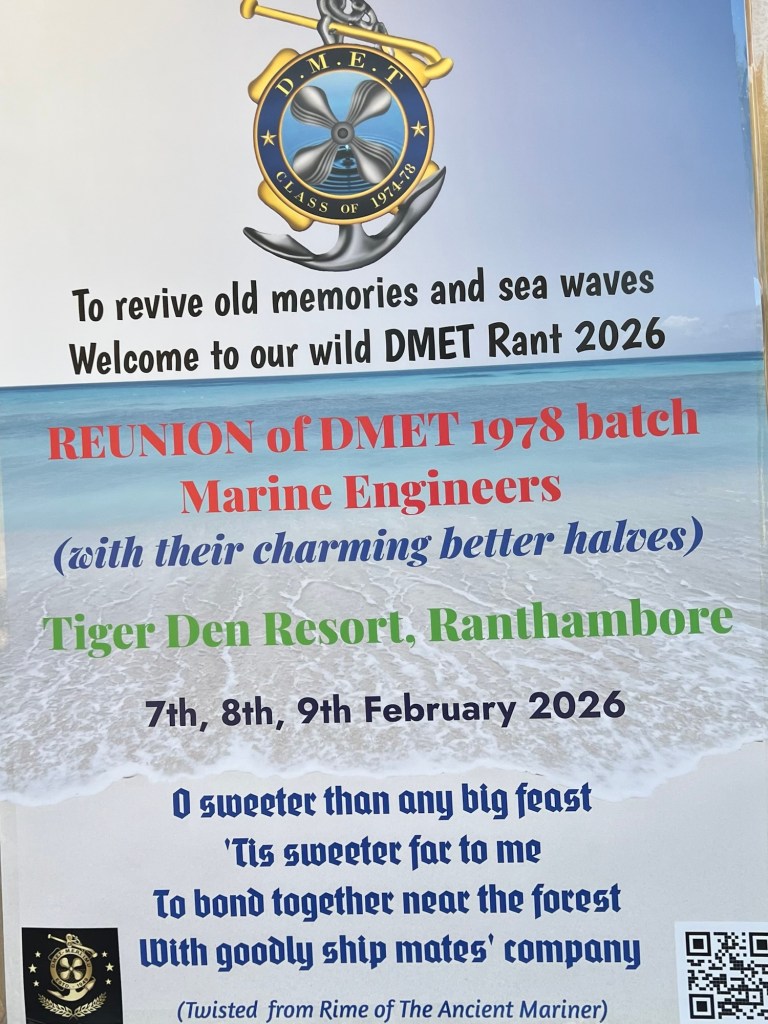
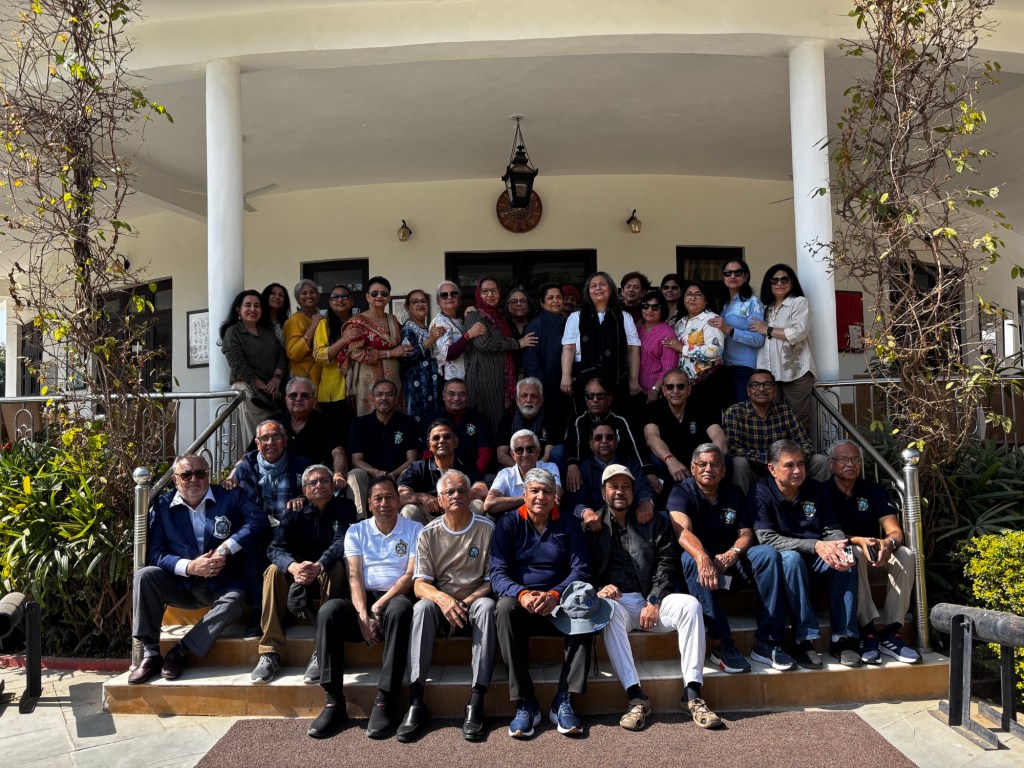
    It is hard to put a finger on it: the intensity of this curious feeling – this affection and camaraderie for our batchmates, friends of fifty years and more. Perhaps the symptoms are easier to articulate – the childlike excitement that makes us wake up too early or go to bed too late, as if every extra minute spent sleeping is time lost, time that could be spent with our brothers.

    And so, in the thirty-six hours that we spent together, we laughed incessantly, talked, reminisced, and sang. We became ourselves – uninhibited, silly, genuine. We shed the years that made us old. We were rejuvenated and became young again.

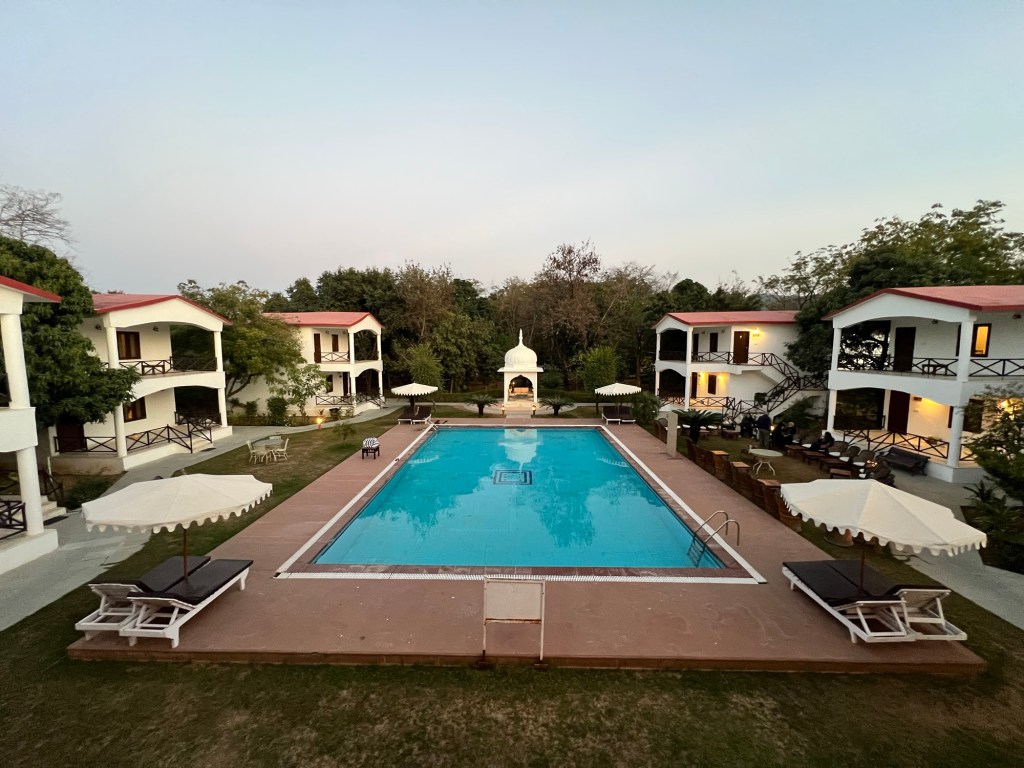
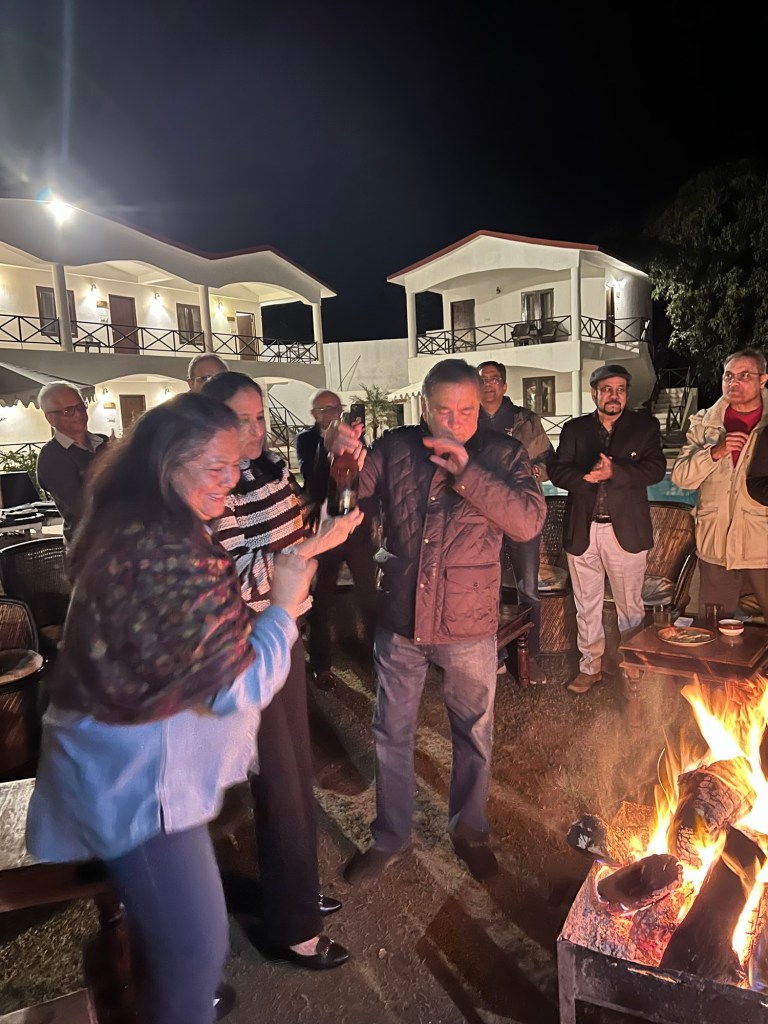
    We ate together, drank tea by the poolside in the early hours and ended our days in song, warmed by the heat of the bonfire and the cheer of our favourite tipple. Our stock of tales did not deplete as every incident we remembered found others that lay deeper in memory, and our recollections traversed our lives like the widespread roots of an ancient tree.

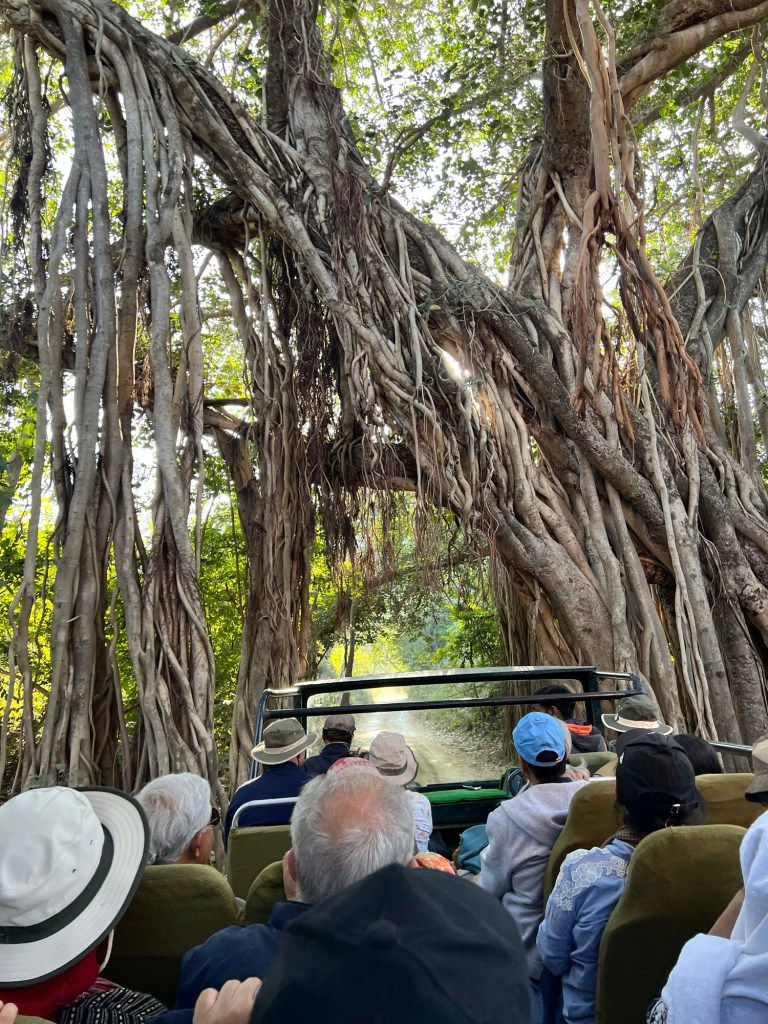
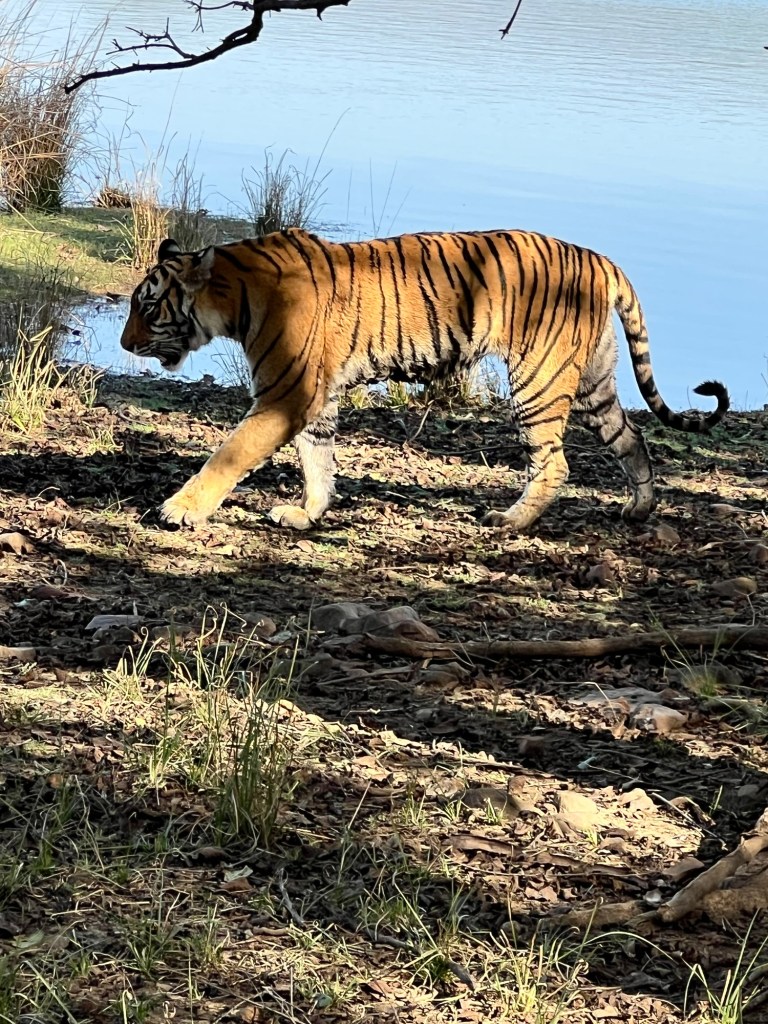
    We went to see tigers in the forests of Ranthambore without much hope of seeing one. Yet we withstood the jolt of the canter that took us deep inside the jungle because we knew we would enjoy the drive with our friends and relish the banter, tiger or no tiger. But luck favours the good-spirited and we saw not one but three tigers at close range.

    The guide did his best to prevent us from taking photographs. “Ma’am, no, sir, no,” the poor man entreated us, trying to enforce the latest rule against using a mobile phone, but only a regular camera to take photos of the wildlife. The logic of the new law was as obscure as the aphorisms in the Rig Veda. So, as you can only do in India, we ignored the rules and thumped our noses at the mindless diktat. We captured images of crocodiles, deer, monkeys and tigers. The azure sky and the placid lakes with the ruins of the Ranthambore fort up on the mountain framed the images in our memories better than any camera could capture them.

    The Anthakshari by the bonfire was something else as our wives outdid us in their quick-witted responses, winning the contest hands down. Two days that seemed like two seconds. Time had a strange way of compressing itself when we were with the friends of our youth.

    The food was par excellence, except perhaps for the desserts. Rasagulla and ice cream pretending to be rasmalai, pakoras that emerged only after stern requests – but we didn’t go there to eat. The food was enough to sustain us. The bonhomie carried beyond our group, infecting other guests, some of whom joined in and sang with us – in German! The other tourists didn’t object to our mirth; how could they? Perhaps they carried away with them lessons about beating old age with the drug of fraternal love.

    And so we finally bid each other goodbye. The typical Indian goodbye, someone remarked. Yes, it was typical — and something more. It was lingering, never-ending, hugs and kisses and the tears held back but always threatening to burst forth. How wonderful those two days were, how uplifting. We departed with promises of returning soon.

  • The Marriage Counsellor

    I’ve played many roles in my life but never that of a marriage counsellor – until last evening. I invited some local friends for dinner. They are a couple running an ironing business – Kumaran and Soumya. Their charges are very reasonable; in fact I don’t know how they survive with these rates.

    Soumya is from Tamil Nadu and speaks Malayalam with a liberal admixture of Tamil. Kumaran is a Trivandrum local. Theirs was a ‘love marriage’ they had told me (as opposed to an ‘arranged’ one which was the norm in their time.) They’re in their forties.

    A few weeks ago, Kumaran had taken me around Vellayani on his motorbike. I got to know him well. Soumya has always been efficient with the ironing, mostly delivering them home at 8 and 9 in the evening. She once said to me she would do anything for us because she could make out my wife and I are a couple who loved and respected each other. She was already in my good books.

    As I would be leaving Trivandrum in a few days, I
    wanted to say thanks to this friendly, hardworking couple. Moreover – no, I should say above all if I’m honest – I had made too much food. I was going away for the weekend. I had to finish it all. I needed guests.

    They turned up at around 9:45 PM. The bickering started as soon as they walked through the door. Soumya complained bitterly about Kumaran and after listening quietly to her complaints, he said, more to himself than to me,

    “In 27 years, she has ruined my life.”

    I didn’t know what to say as I sat there watching the two of them verbally mauling each other.

    Then I remembered something. I told Soumya,

    “You know when he took me around the other day on his motorbike, we discussed many things. But not once did he speak ill of you. He only said nice things.”

    I saw her eyes soften. She looked at her husband as if reconsidering him, like taking another look at something she planned to throw away. Soumya went quiet and studied her hands in deep thought. I could almost hear the churn of her mind.

    I probably made a small difference. They certainly didn’t quarrel during the meal. Maybe there’s another career waiting for me?

  • The Memory of Photographs

    I have thought long and hard about memories, particularly those with a long vintage recorded on camera. Are the images in photographs deluding me by pretending to be memories? How is this to be resolved?

    My parents’ silver wedding anniversary was celebrated sometime in 1968 with a visit to Bolgatty Island in Ernakulam, Kerala. There was no bridge to the island in those days. I don’t remember the boat ride, but there was no other way to get there. We didn’t swim there, nor did we fly.

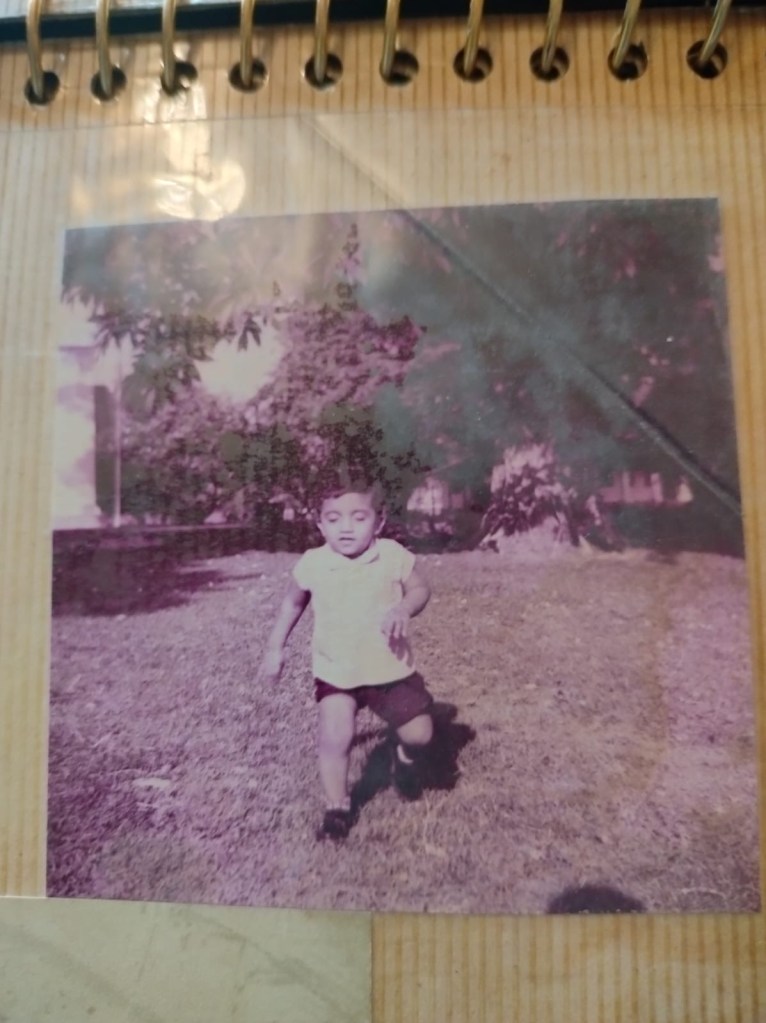
    All my memories of the occasion are derived from family photographs. I remember nothing else – not how we spent the day there, not what we ate or drank – nothing. I had concluded I had no personal recollection of the event. The pictures were the scaffolding of my past, but with nothing beyond them.

    This realisation was quite disturbing. How many other memories are genuine?

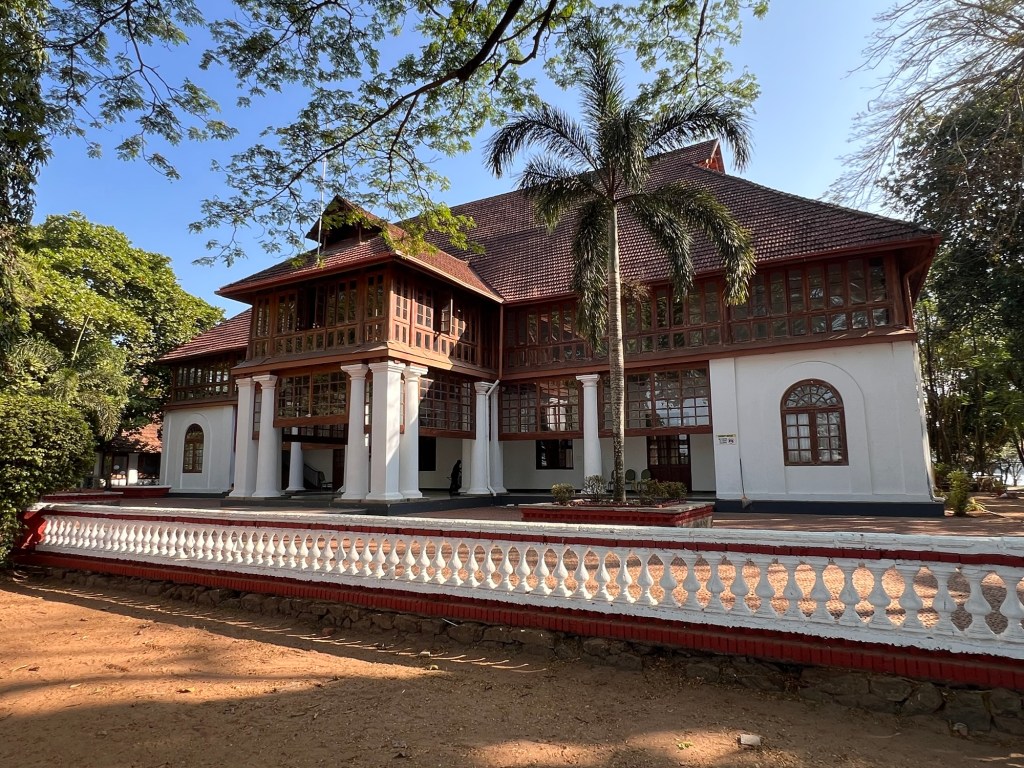
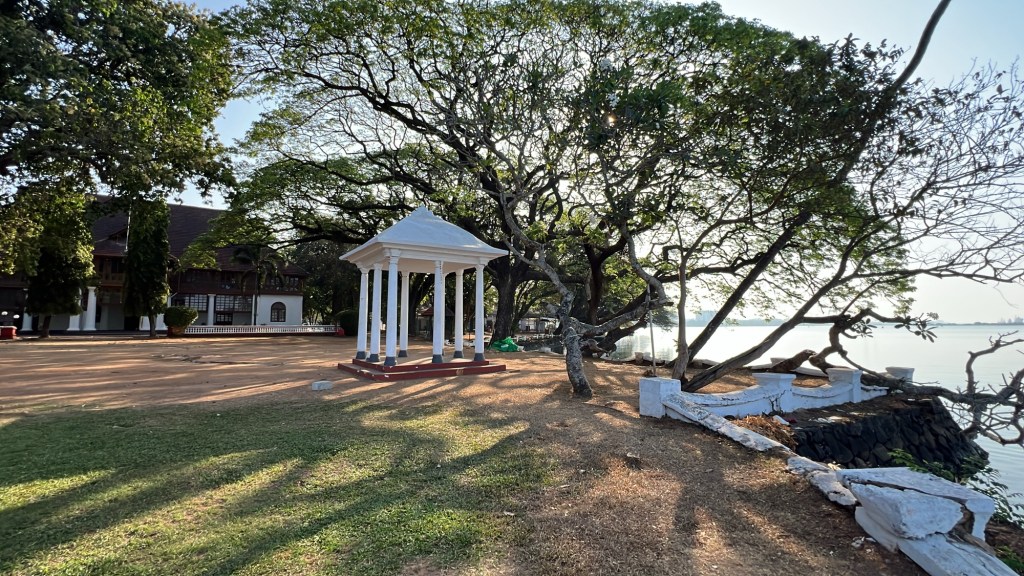
    Recently, I joined a school reunion at Bolgatty Island, and stayed there overnight. The morning after the party, I sat on the parapet by the lake (Vembanad Kayal). The very spot where the images were captured nearly 60 years ago was right in front of me – an immutable milestone of my childhood.

    Lost in thought, a gentle breeze in my face and the chug-chug of motorboats in my ears, I sat staring at the facade of the old Dutch palace and the ancient trees. ‘Surely, you must remember – you were here in 1968.’ I said to them silently, almost accusingly.

    All of a sudden, I saw a vision of my 12-year-old self running after my nephew, just two years old then. No photograph had captured that moment.

  • Pragmatic Pretensions

    I moved to the UK in 1992 and drove on an international licence, renewing it every year as I left and re-entered the country. My driving in the UK was predicated on holding a valid Indian licence.

    I was working in Liverpool in 1996. On a pleasant spring evening, I was in a pub with some English friends. One of them started joking about ‘chicken-catching’ Indian driving. I argued that we had honed our instincts to perfection and so on. But I couldn’t duck the truth. What my friend said in 1996 is still true in 2026.

    At the time, the UK licence was in paper form. Most seasoned drivers had tattered old paper licences. I dished out my plastic Indian licence card and scored a point.

    “At least our licence looks respectable,” I said smugly.

    One of them took it from me and examined it closely.

    “It’s expiring soon,” he said.

    True enough, my driving licence — a requisite for keeping my job — would be invalid in months.

    I immediately applied for a provisional licence and, after three months, found a test slot in the city of Bradford. On the test date, I drove from Liverpool to Bradford on the motorway, put on an L-plate after I reached the centre, and presented myself for the test. The examiner told me,

    “Don’t do anything special because I’m here. Just be your normal self.”

    So I put on Dire Straits at full blast, rolled down the window, stuck an elbow out, and took off with screeching tyres.

    I failed the test and had to take six driving lessons, unlearning most of what I had picked up over some fifteen years of driving in India, before finally obtaining a UK driving licence.

    More than driving, I learned that in life one sometimes has to put on an act to succeed

  • Indishman

    Indishman

    My collection of stories. Now available in paperback and Kindle.

    From ships to quiet corners of Britain and India, Gopi Chandroth sees the world in all its hues. Indishman gathers those stories – part memoir, part travelogue, part street philosophy – each told with humour and warmth.

    Set sail with Indishman – available now in print and ebook.

    Order from Amazon worldwide.
    Search for INDISHMAN.

    Or if you are in India, buy direct from the publisher TWAGAA

    Excerpts

  • Blessed are the Forgetful

    We worry when we forget things. Going upstairs to look for something but forgetting what we came up for. Searching for the phone while talking to someone on the very phone. Forgetting appointments despite making diary entries.

    ‘How come?’ you ask, incredulous. We forget to check our diary.

    ‘Talk about yourself,’ you complain.

    OK, I’ll use first person singular.

    I’m not talking about forgetting as in ‘forget and forgive’. The topic here is the pure and honest form of not remembering, or alternatively, remembering things earlier than required – like arriving at a training course a day too soon. Let me demonstrate anecdotally how forgetting can work in your favour.

    A colleague and I had visited Oban in Scotland for an accident involving a small fishing trawler. Oban has an out-of-this-world beauty. The lochs and glens viewed from the passenger seat of a car are breathtaking. My colleague, like most of the male colleagues I worked with, preferred to drive. Now, don’t start doubting my driving skills – most of my colleagues were serious alpha males.

    Every day, we drove the ten miles from our hotel to the vessel and back. I enjoyed the scenery, untrammelled by the rigours of driving or having to keep my eyes on the road. I simply drank it all in. Each day, the sights held a fresh appeal. On the last day, I said to my colleague,

    ‘Wow! Just look at the scenery. I have never seen such beauty.’

    He looked at me with a slight frown and remarked,

    ‘Mate, we’ve been driving the exact same route for five days and you talk as if you’re seeing everything for the first time.’

    That precisely defines me. Without making a conscious effort, I do see everything as if for the first time. As J Krishnamurthy, the philosopher, has said:

    ‘Freedom is found in seeing without comparison – without the past interfering.’

    A couple of weeks ago, I was asked to do a fasting blood test. I made the appointment at Winchester Hospital using an automated telephone service. The first available appointment was at 3:30 pm on Tuesday. The follow-up appointment with my GP was fixed for Thursday morning. I entered both in my diary, forgetting to note that the blood test required me to fast for 12 hours.

    Last week, some writing friends suggested we meet for coffee.

    ‘How about Thursday morning?’ asked one.

    ‘Fine,’ I replied without checking my diary.

    After the time and venue were decided, I noticed I had a GP appointment at precisely the same time. So, I wrote to my friends.

    ‘I’m a total idiot, I can’t make it to the coffee. Double-booked. You guys go ahead.’ Grovel, grovel.

    On Tuesday, I drove to the hospital for my blood test.

    ‘Have you fasted?’ asked the nurse. She seemed impressed that I had remained without food for most of the day.

    ‘No, it’s 3:30 pm. How could I fast so long?’ I responded mildly belligerent. How could she even suggest it?

    The nurse told me to go away and return on another day.

    ‘Don’t forget – you can only have water 12 hours before your blood test.’

    I called the GP surgery and apologised – no point seeing the doctor without blood counts. Grovel, grovel. They fixed another blood test and a follow-up appointment for this week. Bless our NHS.

    I had an enjoyable morning with my friends, showing off a copy of my book Indishman – Reflections from India, Britain and the Sea.

    Sometimes, it’s good to forget.

  • Untrue Andrew Had a Great Fall

    I personally know someone who has seen Andrew Mountbatten-Windsor naked. They were shipmates in the Navy, freshening up in the changing room after a game of squash – long before the metaphorical stripping of the latter’s royal appurtenances. Talk about foreshadowing.

    There has been a tectonic shift in the British perception of the royal family. While politicians are regularly heckled, have eggs, milkshakes and sometimes punches thrown at them, people generally respected the royals. There are also those who don’t care for them. However, they usually stay at home and don’t throng the streets swooning over the anachronistic pomp and pageantry.

    Untrue Andrew has dragged the entire clan down to earth from their exalted citadels. People have woken from their dream state and suddenly realised that kings and queens are people too. Remember Albert Camus in The Outsider? His protagonist, a prisoner on death row, talks about the judges who condemned him: 𝐴𝑙𝑙 𝑡ℎ𝑜𝑠𝑒 𝑝𝑒𝑜𝑝𝑙𝑒 (judges) 𝑎𝑟𝑒 𝑗𝑢𝑠𝑡 𝑙𝑖𝑘𝑒 𝑡ℎ𝑒 𝑜𝑡ℎ𝑒𝑟𝑠, 𝑝𝑒𝑜𝑝𝑙𝑒 𝑤ℎ𝑜 𝑎𝑙𝑠𝑜 𝑐ℎ𝑎𝑛𝑔𝑒 𝑡ℎ𝑒𝑖𝑟 𝑢𝑛𝑑𝑒𝑟𝑤𝑒𝑎𝑟.

    Perhaps that’s why King Charles III was recently heckled when he visited Lichfield Cathedral in Staffordshire, England.

    “How long have you known about Andrew and Epstein?” the protester harangued the King.
    “Have you asked the police to cover up for Andrew?”

    Unthinkable until Untrue Andrew – the favourite son of our late Queen – ruptured the royal chrysalis and demonstrated what a complete prat he really is.

    I like Charles, or at least I appreciate his candour on sensitive international issues. I should speak in the past tense, though, because that was when he was Prince of Wales. He has now been effectively silenced after being secured in the king-box. He chose kingship over free speech. Poor man.

    Personally, I have been indifferent to the royal family. I know some of my British friends may be fans of the royals, and my intention is not to cause hurt. But when we remember the atrocities committed all over the world in the name of the King or Queen, you will understand why I am not a royalist.

    In a sense, Andrew has done us all a favour by his callous and unacceptable behaviour. He has exposed a deep crack in the institution of the monarchy, and we can all look into the royal changing rooms. No patching up will work now – not even if Andrew were investigated and exonerated. Fat chance of that happening, though, because he has already been found guilty by the 𝘷𝘰𝘹 𝘱𝘰𝘱𝘶𝘭𝘪.

    All the King’s horses and all the King’s men cannot put Andrew back together again.