




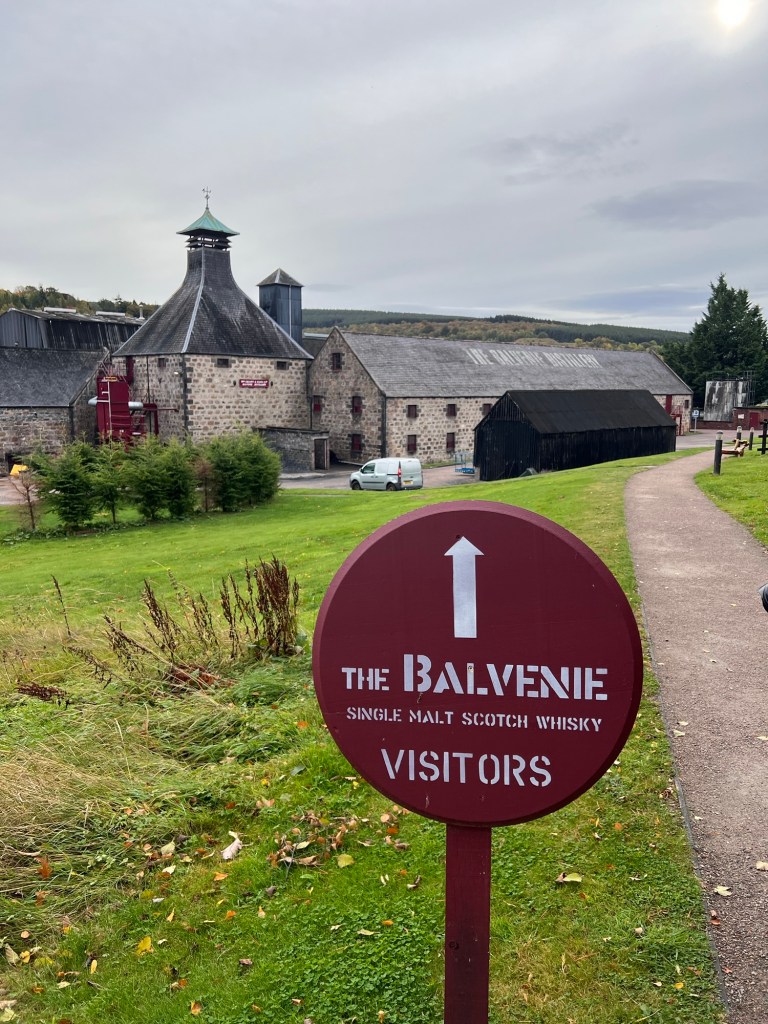
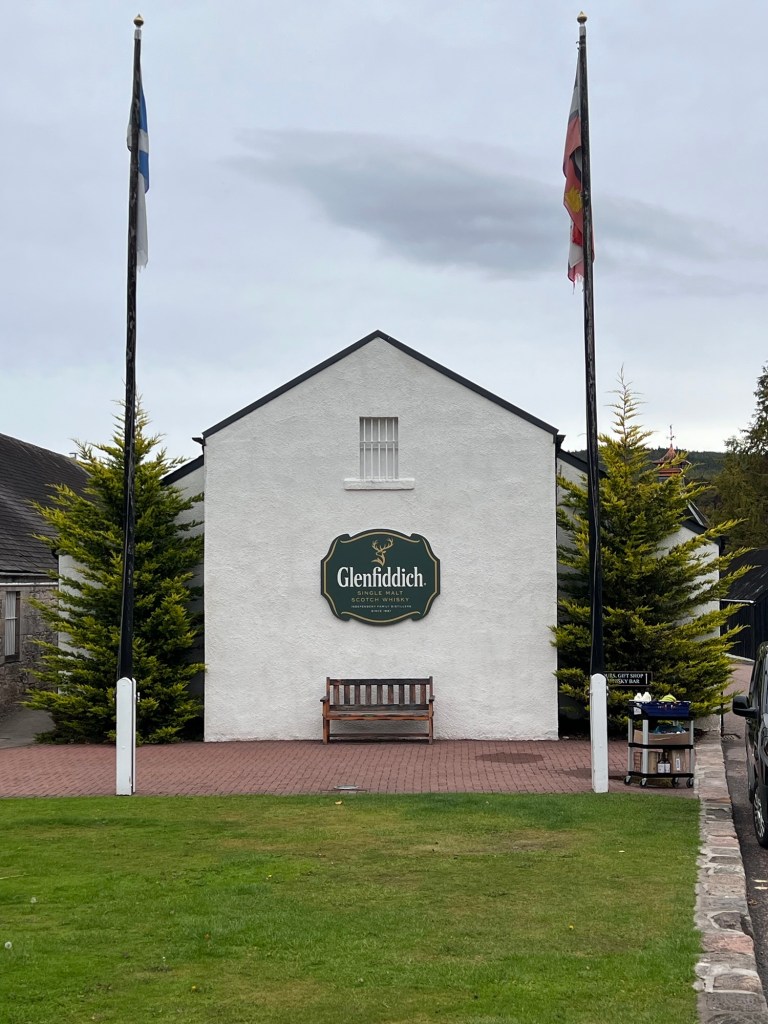

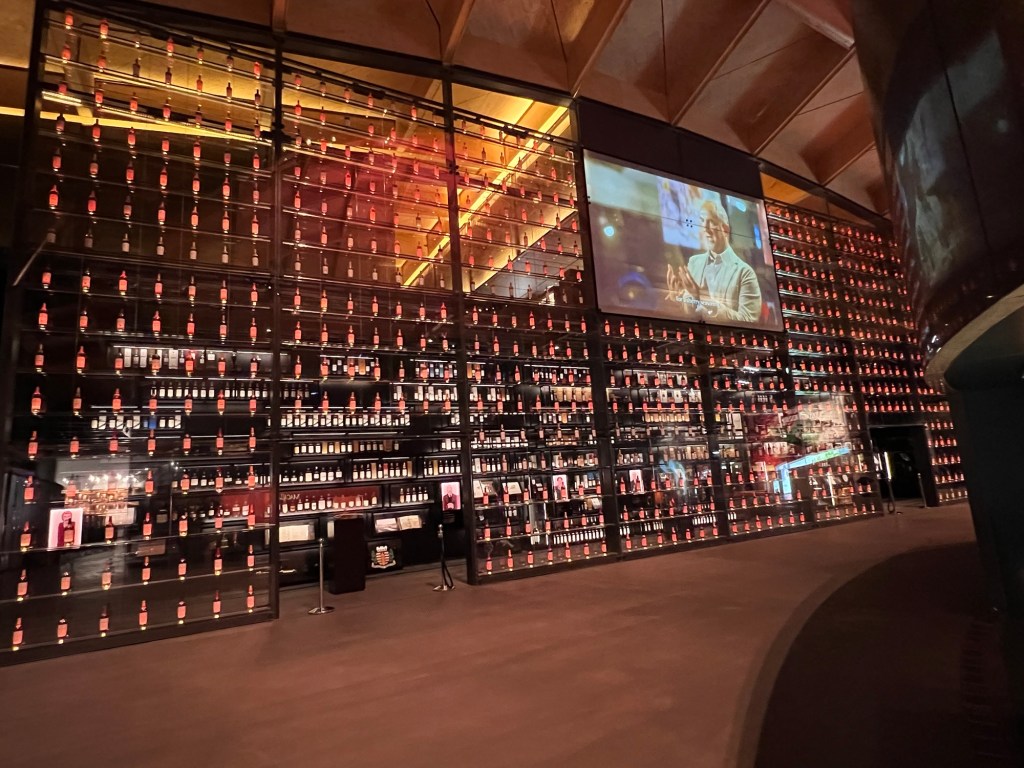
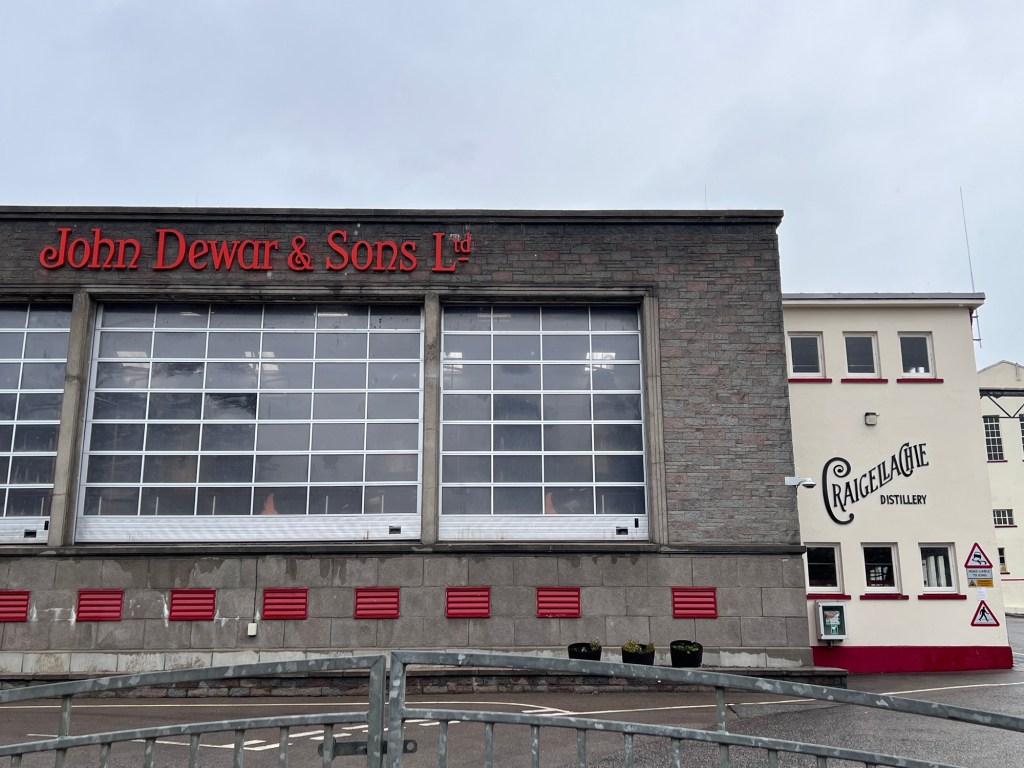

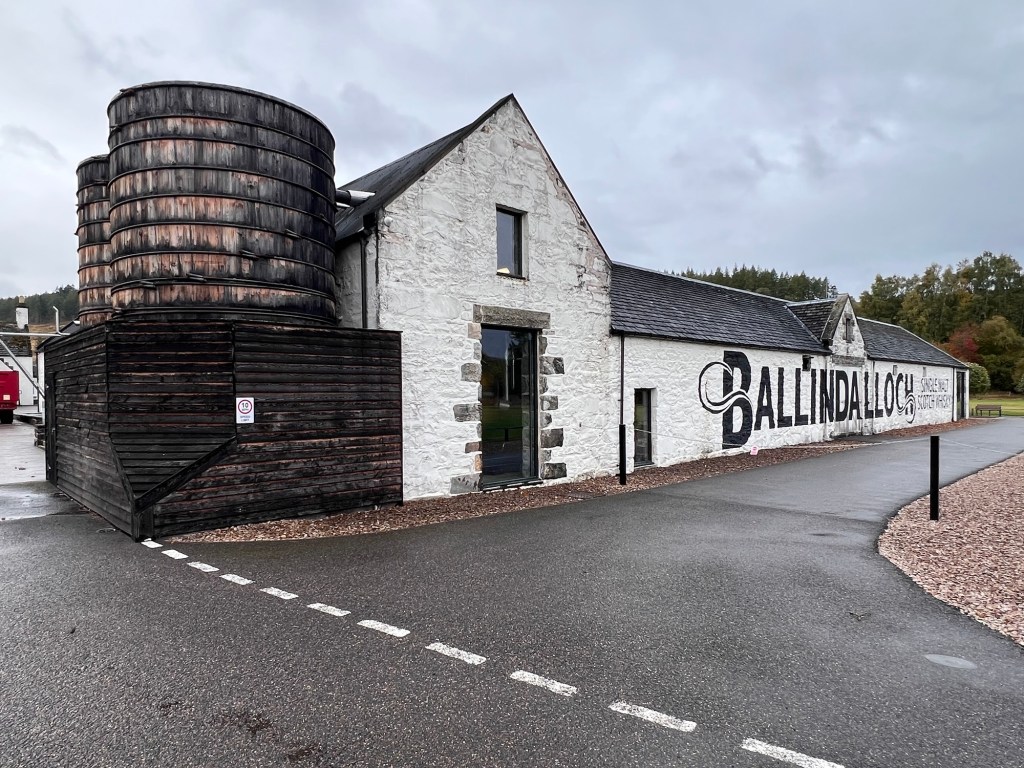

I drink whisky only occasionally. Ten days ago, I knew very little on the subject. I could just about identify a single malt from a blended variety, and that was the limit of my knowledge. Now I can tell my Dalwhinnie from my Balvenie, my Bruichladdich from my Bunnahabhain. I can hold forth on the difference between peated and non-peated whiskies.
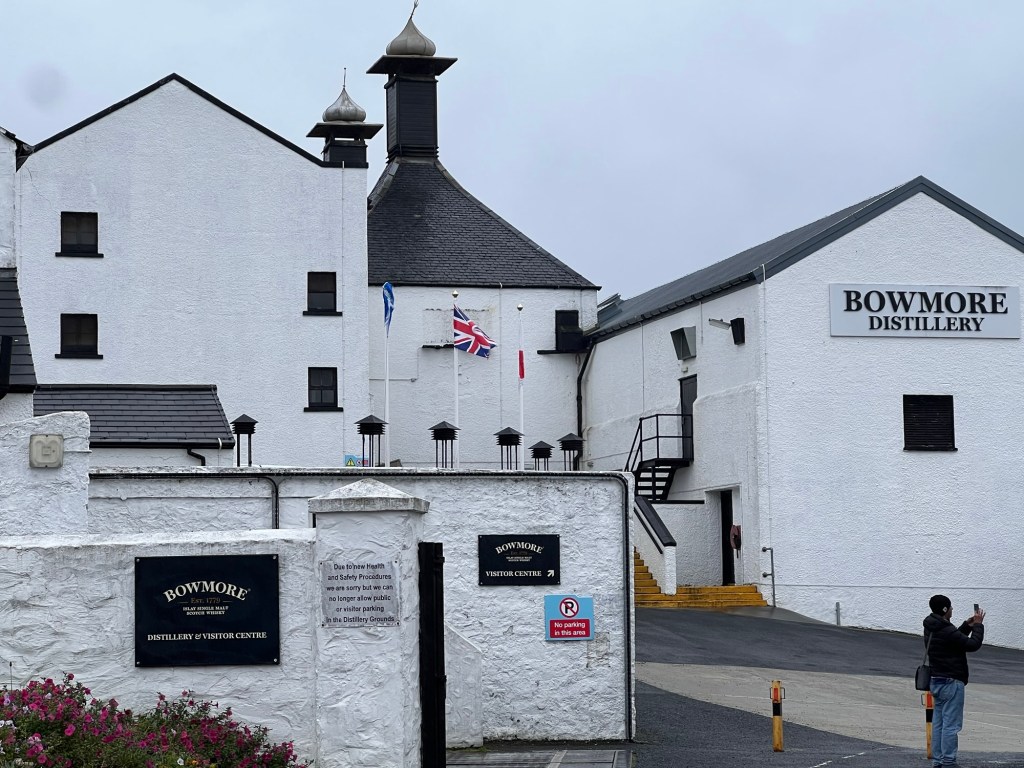
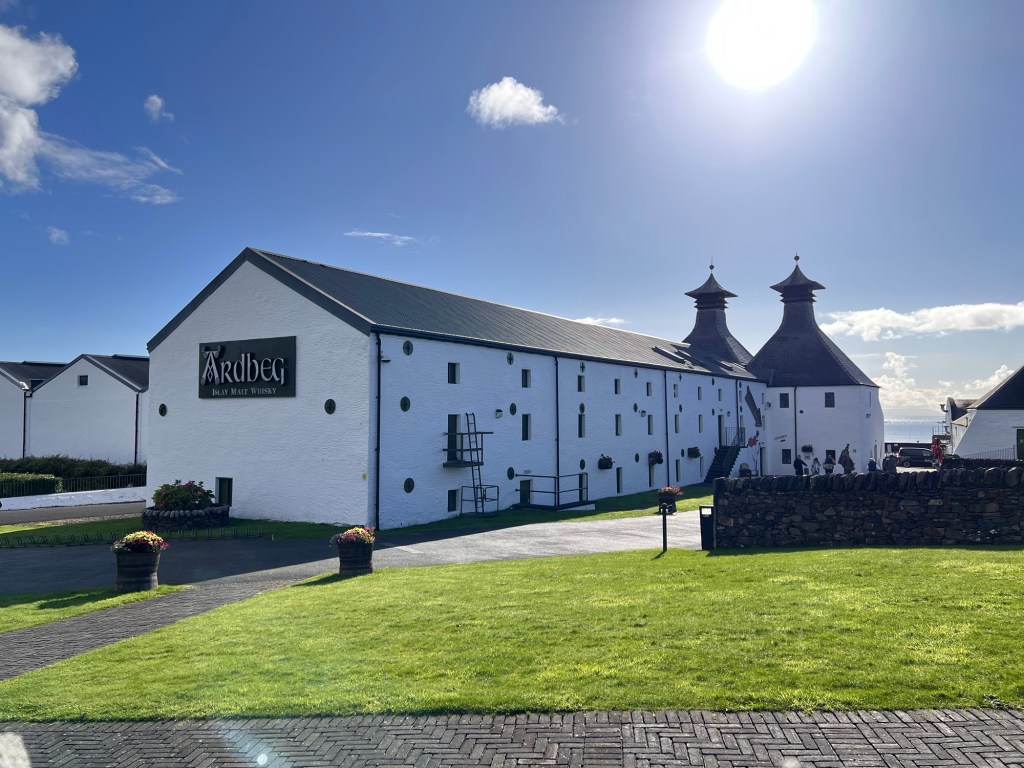
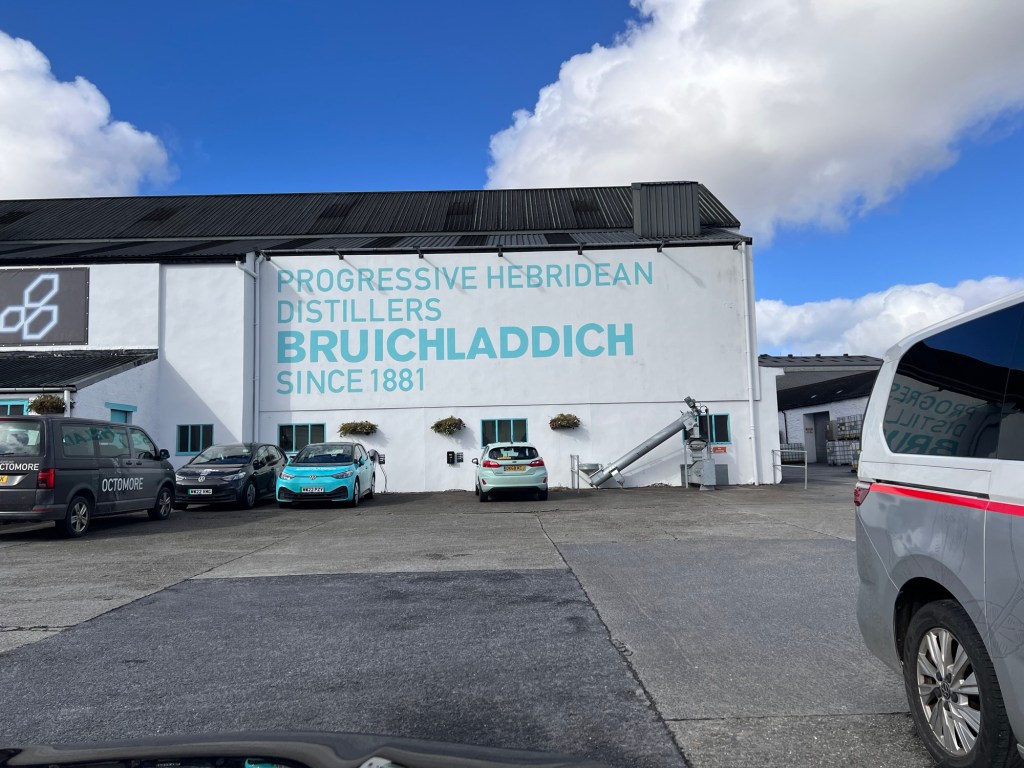
Press the right buttons and I will rattle off the names of the officially designated whisky regions: Highlands, Campbeltown, Islay, Lowlands, and Speyside. If you had mentioned Islay to me before, I would have thought it was a fish (Mackerel in Malayalam), blissfully unaware that the place name is pronounced Eye–Luh instead of Ice-Lay; that a whisky sommelier knows the little island hosts nine distilleries, each producing its own style – Ardbeg, Ardnahoe, Bowmore, Bruichladdich, Bunnahabhain, Caol Ila, Kilchoman, Lagavulin, and Laphroaig. I will state with authority that Bruichladdich is particularly versatile, making both unpeated whiskies like Classic Laddie and heavily peated versions like Port Charlotte and Octomore.
I can explain the malting process: barley is steeped in water, tricking it into thinking it is spring, allowed to germinate briefly on temperature-controlled floors, and dried in kilns burning peat. This process produces enzymes. The barley then acquires that wonderfully smoky, peaty flavour – think Laphroaig, Lagavulin, Ardbeg; hot air is used if unpeated, as with Macallan, Glenmorangie, and other “Glens” – the Gaelic word for valleys.
Challenge me, and I’ll describe the next stages: milling, where the malted barley is ground into a coarse flour called grist; and mashing, where the grist is mixed with hot water in a large wooden or stainless-steel vessel called a mash tun. The enzymes activated during malting now convert the starches in the barley into sugars.
Allow me to pontificate some more: the sugary liquid, called wort, is then fed yeast, which converts the sugars into alcohol over a few days. But don’t drink it yet – what you have here is essentially a rough beer, though the brewer’s yeast is a different beast from the distiller’s yeast. The solid waste is removed and used as cattle food and biofuel. We now call the fermented liquid ‘wash’.
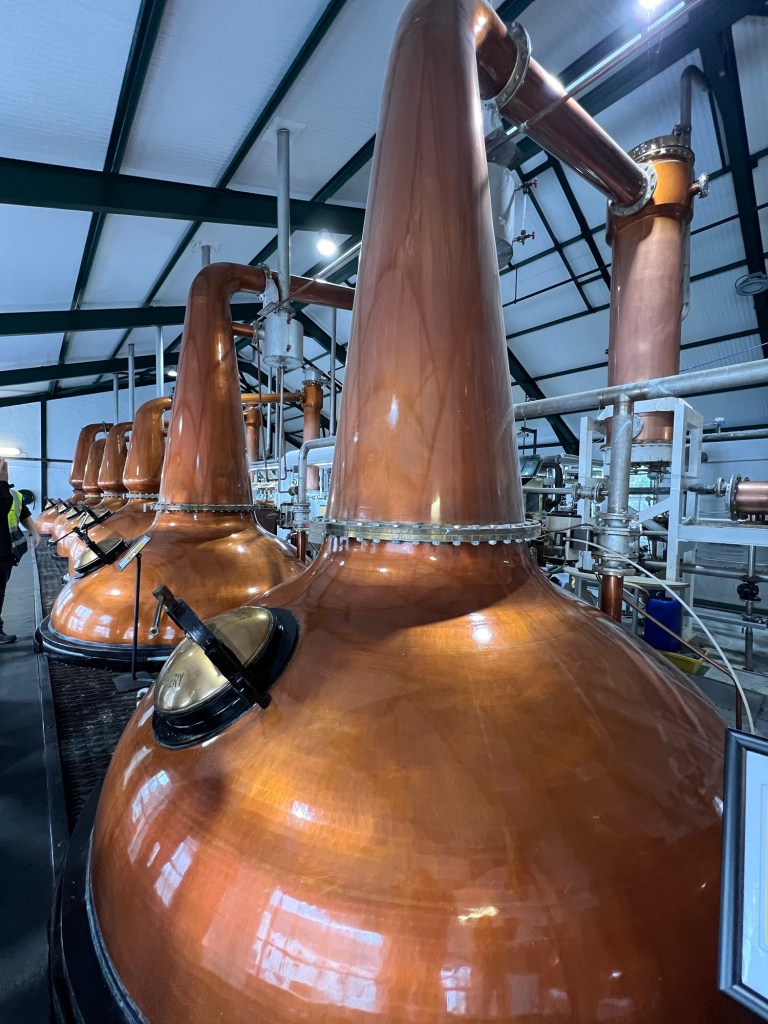
Let us continue because I can’t stop now: the wash is sent to the stills, where, when heated, the alcohol vapour rises. It then condenses in traditional shell-and-tube condensers to produce low-strength spirit at roughly 26% ABV (alcohol by volume). The liquid is called ‘low wines’ at this stage and passes through a second or third stage distillation process where the alcohol produced is around 66% ABV.
“What colour now?” you ask. Colourless! None of that golden glow, no halcyon hues of gloaming in the colour of your favourite tipple. Just stark, plain colour of water – simply, no colour.
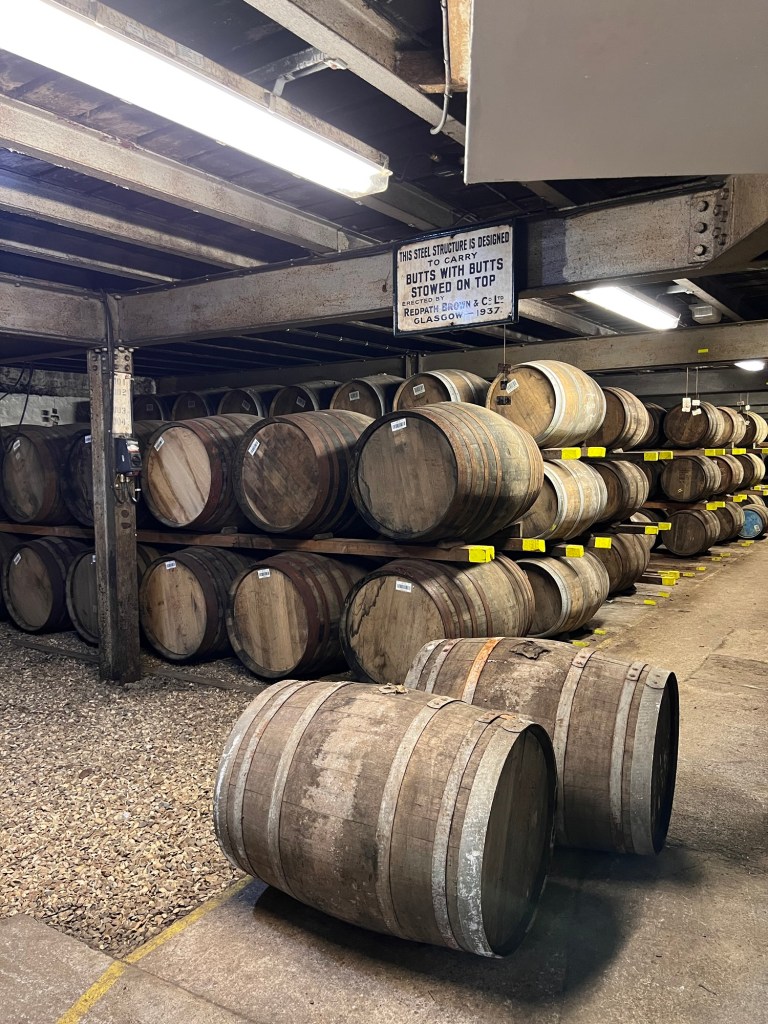
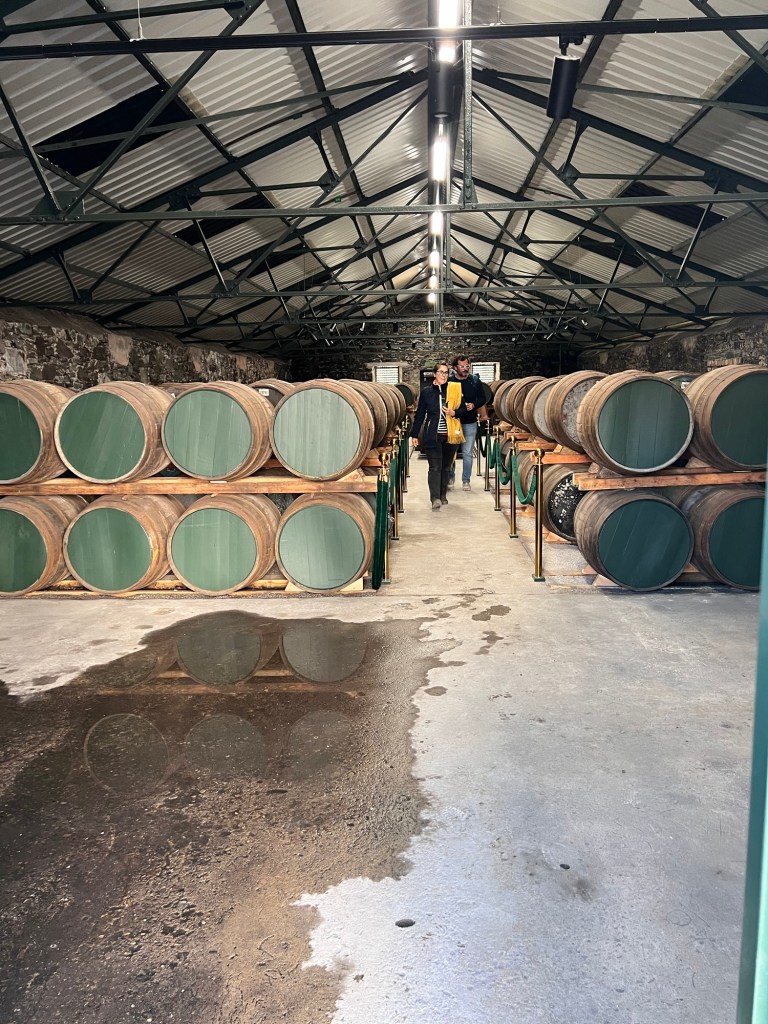
It would be unfair to leave you there. So let me show you the whisky casks, where the spirit, diluted down to around 64% ABV, is stored for maturation. The casks are ex-sherry or bourbon casks and rarely used for whisky straight away. You still cannot drink it, though you are now thirsty. It must remain in the casks for at least three years to earn the legal designation of whisky. The alcohol gradually evaporates over the years losing around 2% ABV annually. In the industry, they call this loss “Angel’s share”.
Finally, it is bottled, labelled, and sold – to you. A toast to the technology of whisky production, and a toast to you, dear reader, for your forbearance with my childlike display of newly acquired knowledge. Ten days in this beautiful part of the country, visits to over fifteen distilleries and I feel like an expert. But I’m like a four-year-old who thinks he knows everything worth knowing. I have only scratched the surface.
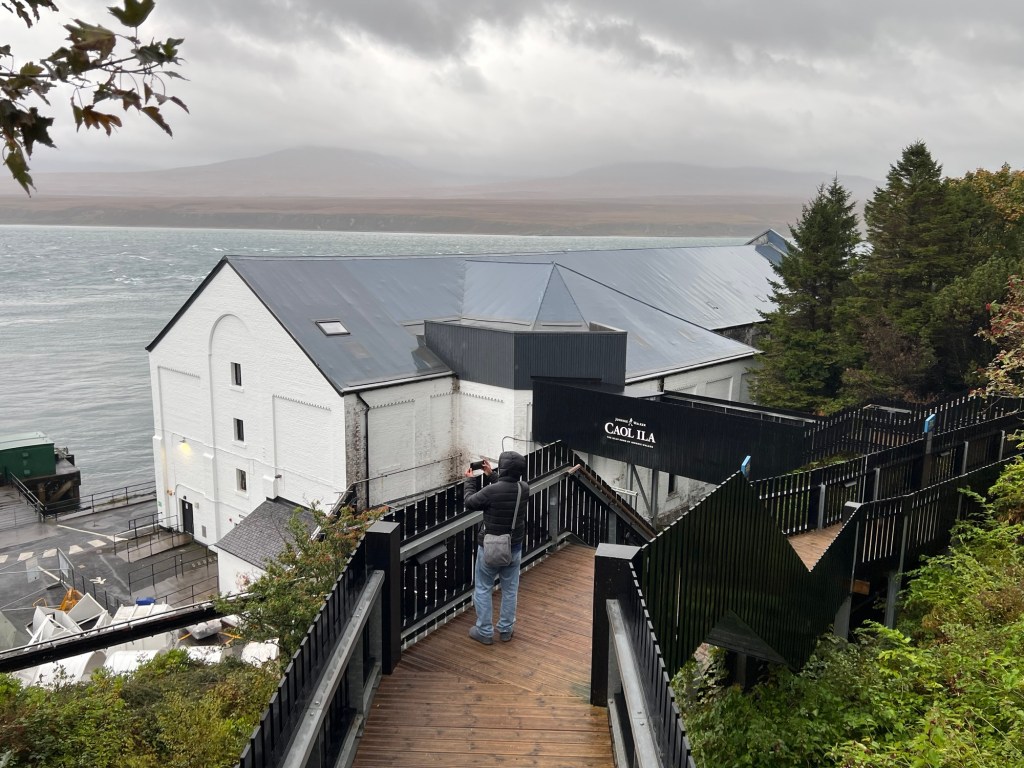
What a difference a whisky pilgrimage makes. When did a wee dram of Caol Ila enthuse me so much that I could enjoy it neat with half a spoon of water (as my cousin and travel companion advises me). How pertinent the name of the distillery becomes when I remember rushing in to escape the rain, only to emerge with the flavour of smoke and the spirit of Scotland lingering on the palate.
 gopistory.com
Leave a comment